Taste of Gozo: A Flavor-Filled Journey Through Malta’s Hidden Island
You know that feeling when you stumble upon a place so real, so untouched, it’s like stepping into a postcard no one’s seen? That’s Gozo. I didn’t go for the beaches or the history—I went for the food. And wow, was I blown away. From sun-ripened tomatoes to cheese made in village kitchens, every bite tells a story. This isn’t just eating—it’s tasting the soul of an island. Nestled quietly in the Mediterranean, just a short ferry ride from Malta, Gozo remains one of Europe’s best-kept culinary secrets. Here, meals unfold slowly, rooted in tradition and shaped by the rhythm of the seasons. This journey is not about fine dining or celebrity chefs. It’s about the quiet pride of a farmer holding out a basket of figs, the aroma of bread baking in wood-fired ovens, and the joy of sharing a table with people who measure hospitality in generosity, not profit.
Discovering Gozo – More Than Just Malta’s Quiet Sister
Gozo stands apart from its more famous neighbor, not just geographically but in spirit. While Malta pulses with energy, modern development, and a cosmopolitan flair, Gozo moves at the pace of ripening fruit and rising dough. The island, only about 17 square kilometers in size, is a landscape of gentle contrasts: golden limestone cliffs give way to terraced farmland, while the occasional wind-sculpted coastline meets inland villages perched like watchful sentinels. What makes Gozo truly distinctive is its preservation of a way of life that feels increasingly rare in the modern world. It is not frozen in time, but rather evolves with intention, holding close the values of community, craftsmanship, and connection to the land.
The island’s topography plays a crucial role in shaping its identity. Its rolling hills are not just scenic—they are actively farmed, often by families who have worked the same plots for generations. Dry-stone walls, built without mortar, trace the contours of the land, protecting crops from the salty Mistral winds and conserving precious soil. These fields yield more than sustenance; they produce ingredients with depth and character, shaped by the island’s unique microclimate. The sun here is intense but tempered by sea breezes, creating ideal conditions for slow-ripening produce that develops rich, concentrated flavors.
One of the most striking features of Gozo’s landscape is the series of salt pans along the northwest coast, particularly near Xwejni. These shallow pools, carved into the rock, have been used for centuries to harvest sea salt through solar evaporation. The process is simple but requires patience and knowledge—each tidal cycle brings in fresh seawater, and over days, the sun draws out delicate, flaky crystals. This salt, minimally processed and rich in minerals, is a cornerstone of Gozitan cooking. It seasons everything from bread to cheese, and its subtle complexity cannot be replicated by industrial alternatives. The presence of these salt pans is a testament to Gozo’s enduring relationship with natural cycles and traditional methods.
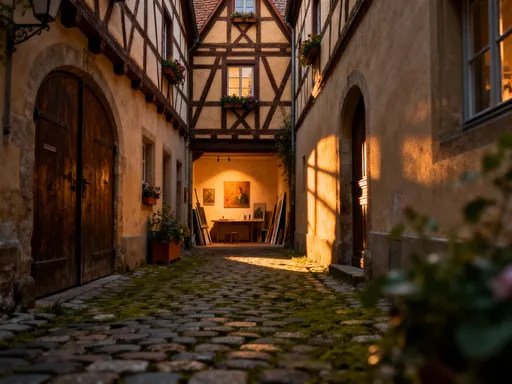
Equally symbolic are the fortified village centers, or *bajjars*, such as Rabat (Victoria) and Xagħra. Within the thick limestone walls of the Cittadella in Rabat, time feels suspended. Narrow alleyways open into sunlit courtyards where elderly residents sit outside their doorways, sharing stories in Maltese. These villages are not museum pieces—they are living communities where festivals, religious processions, and family gatherings remain central to life. Food is inseparable from these traditions. A wedding, a baptism, or a feast day means tables groaning under home-cooked dishes passed down through generations. This deep cultural continuity is what gives Gozitan cuisine its authenticity and emotional resonance.
The Heart of Gozitan Meals – Local Ingredients with a Story
To understand Gozitan food, one must begin with the soil. The island’s agriculture is small-scale and deeply personal. Most farms are family-run, operating on plots no larger than a few acres. This intimacy with the land translates directly to the plate. There are no vast monocultures or industrial greenhouses here—just farmers tending their tomatoes, cucumbers, and herbs with care, often using organic practices out of tradition rather than trend. The result is produce that tastes profoundly alive, each bite carrying the essence of sun, sea, and stone.
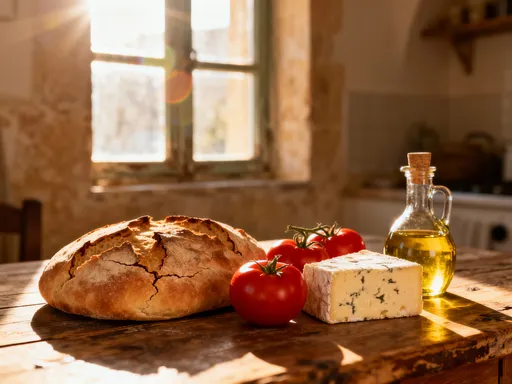
Perhaps the most celebrated ingredient in Gozitan cuisine is the tomato. Grown in nutrient-rich soil and ripened under relentless Mediterranean sun, these tomatoes are unlike anything found in supermarkets. They are smaller than commercial varieties, with deep red flesh that bursts with sweetness and acidity in perfect balance. Sliced simply with a sprinkle of salt, olive oil, and fresh basil, they are a revelation. During summer, roadside stands overflow with them, sold by farmers who often grow multiple heirloom types, each with its own subtle variation in flavor and texture. These tomatoes are the base of many dishes, from the island’s version of ratatouille—known as Kapunata—to slow-cooked sauces served with homemade pasta.
Another cornerstone of Gozitan food culture is Gbejniet, small, round cheeses traditionally made from sheep or goat milk. These cheeses come in several forms: fresh and soft, dried and hard, or spiced with pepper and left to cure in vinegar. The process begins early in the morning, when milk is collected from local flocks grazing on wild herbs and thyme. In village homes and small dairies, the milk is gently heated, coagulated with natural rennet, and shaped by hand. The fresh version is creamy and mild, perfect with bread and honey, while the dried form develops a sharp, tangy bite that enhances salads and stews. Gbejniet are more than a food item—they are a symbol of self-sufficiency and culinary heritage, often made in family kitchens just as they were a century ago.
Herbs and aromatic plants grow abundantly across the island, thriving in the rocky terrain and dry climate. Wild thyme, mint, and rosemary are gathered from hillsides and used generously in cooking. One of the most distinctive flavors comes from fenugreek, a bitter-green herb used to season rabbit stews and soups. Its slightly medicinal taste may be unfamiliar at first, but it adds depth and complexity that defines many traditional dishes. Olive oil, pressed from trees that dot the countryside, is another essential. Gozitan olive oil tends to be robust and peppery, a reflection of the local cultivars and the intense sun that ripens the fruit.
What makes these ingredients so powerful is not just their quality, but the way they are embedded in daily life. There is no separation between growing and eating. Children learn to pick tomatoes beside their grandparents. Families gather herbs on weekend walks. Even city dwellers often maintain small plots or receive regular deliveries from relatives in the countryside. This deep-rooted connection ensures that food is never taken for granted. It is honored, celebrated, and prepared with care—a philosophy that shapes every meal on the island.
A Day in Gozitan Food Culture – From Breakfast to Dinner
In Gozo, the rhythm of the day is measured in meals, not minutes. There is no rush to consume breakfast between emails or commutes. Instead, mornings unfold slowly, often beginning with the scent of freshly baked bread drifting from neighborhood bakeries. The most common breakfast is simple: a warm slice of ftira, a Maltese flatbread with a crisp crust and airy interior, drizzled with olive oil or spread with local honey. Some add a piece of fresh Gbejniet or a ripe tomato, sliced thin and seasoned with a pinch of sea salt. Coffee is strong and dark, served in small cups, often accompanied by quiet conversation or the rustle of a newspaper.
By midday, families gather for the main meal of the day. This is not a quick lunch but a proper sit-down affair, especially on weekends or holidays. A typical dish might be Aljotta, a hearty fish soup made with local catch such as grouper or scorpionfish, simmered with tomatoes, garlic, white wine, and a generous handful of parsley. The broth is fragrant and briny, a direct echo of the sea. It is served with thick slices of ftira to soak up the liquid, turning the meal into something deeply satisfying and communal. In rural areas, it’s not uncommon to see fishermen bringing their morning haul directly to nearby homes, ensuring the fish is cooked within hours of being caught.
Another staple of Gozitan midday meals is fenek, or rabbit stew. This dish holds a place of honor in Maltese cuisine and is especially cherished on the island. The rabbit is marinated in red wine and garlic, then slow-cooked with tomatoes, onions, and herbs until the meat falls effortlessly from the bone. It is rich, earthy, and deeply flavorful—a dish that speaks to patience and tradition. It is often served with boiled potatoes or a simple green salad dressed with olive oil and lemon. What makes this meal special is not just the food, but the act of sharing it. Tables are large, chairs are pulled close, and conversation flows as freely as the wine.
Evenings in Gozo are quieter, but no less centered around food. Supper is usually lighter—perhaps a plate of fresh cheese with figs, a bowl of lentil soup, or leftover stew gently reheated. But on special nights, families come together for more elaborate meals. One such dish is lampuki, a seasonal fish that migrates through Maltese waters in the autumn. When in season, lampuki is grilled, baked in pies, or cooked with tomatoes and capers. Fishermen use traditional triangular nets called lampuka to catch them, a method passed down for generations. The arrival of lampuki season is celebrated across the island, with local restaurants and homes alike featuring the fish prominently on their menus.
The atmosphere of a Gozitan meal is one of warmth and inclusion. Strangers are often welcomed at tables, especially in village homes where hospitality is a point of pride. Meals are not rushed; they are lingered over, punctuated by laughter, stories, and the clinking of glasses. There is no pressure to perform or impress—just the simple joy of eating well with people you care about. This philosophy transforms food from mere sustenance into an expression of love, identity, and belonging.
Cooking Like a Local – Home Kitchens and Food Experiences
For travelers seeking more than just a taste of Gozo, the opportunity to step into a local kitchen offers a transformative experience. Unlike formal cooking classes in commercial settings, many Gozitan food experiences take place in family homes, where visitors are treated as guests rather than students. These intimate sessions often begin with a visit to a nearby garden or farm, where participants pick ingredients still warm from the sun. There is something deeply grounding about harvesting your own tomatoes, snipping fresh herbs, or collecting eggs from a backyard coop—activities that reconnect us with the origins of our food.
One of the most popular hands-on experiences is cheese-making. Under the guidance of a local matriarch or artisan, visitors learn the delicate process of turning fresh milk into Gbejniet. They watch as the milk is heated, curdled, and shaped, then try their hand at pressing the cheese into molds. The room fills with the clean, tangy scent of dairy, and laughter flows as first attempts result in misshapen rounds. But the imperfections are part of the charm. The final reward—tasting the fresh cheese with warm bread and honey—is unforgettable. More than a lesson, it is a transmission of knowledge, a moment of cultural exchange that leaves a lasting impression.
Bread-making is another cherished tradition that travelers can participate in. In villages like Nadur or Xagħra, some families still use wood-fired ovens, stoked hours in advance to reach the perfect temperature. Visitors learn how to mix the dough with just flour, water, salt, and yeast, then knead it until it springs back under the palm. Shaping the ftira is an art—creating a round loaf with a dimpled surface that allows it to puff up evenly. As the bread bakes, the aroma fills the courtyard, drawing neighbors to the door with smiles and compliments. Sharing the first slice, still warm and crackling, is a moment of pure joy.
These experiences are not staged performances. They are real moments of daily life, opened to visitors with generosity. There are no scripts or timed schedules—just the natural flow of preparation, cooking, and eating. Participants often leave with more than recipes; they carry with them a renewed appreciation for simplicity, seasonality, and the value of slowing down. In a world that often prioritizes speed and convenience, these moments of connection feel revolutionary. They remind us that food is not just fuel—it is a bridge between people, a language of care that transcends words.
Where to Eat – Authentic Eateries Off the Beaten Path
While Gozo has no shortage of restaurants catering to tourists, the most memorable meals are often found in unassuming places known primarily to locals. These are not flashy establishments with imported wines and fusion menus, but humble village eateries where the focus is on tradition, quality, and hospitality. Many are family-run, operating out of converted townhouses or converted stables, with tables arranged in courtyards or shaded terraces. The decor is simple—whitewashed walls, checked tablecloths, and the occasional religious icon—but the atmosphere is warm and welcoming.
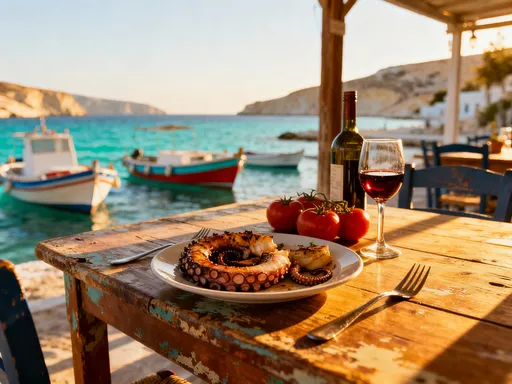
One type of dining spot unique to the region is the gastropub, though the term hardly does justice to these cozy venues. Run by families passionate about local food, they serve dishes made entirely from island ingredients, prepared in open kitchens where guests can watch the cooking process. A typical menu might include Kapunata served with fresh bread, grilled octopus with lemon and olive oil, or a baked lampuki pie layered with onions and tomatoes. Portions are generous, prices are fair, and the wine list features local Maltese labels, often from small vineyards on the island’s southern slopes.
Another gem is the village pastizzeria, a small shop specializing in savory pastries. The most famous is the pastizzi, a flaky pastry filled with ricotta or mushy peas. In Gozo, these are made fresh throughout the day, often using ricotta derived from sheep’s milk, giving them a richer, more complex flavor than their Maltese counterparts. Locals stop by in the morning for a quick snack or in the afternoon for a treat with tea. Eating a warm pastizzi on a bench outside the shop, watching the world go by, is a small but perfect moment of immersion.
For those seeking a more substantial meal, family-run restaurants in villages like Munxar or Sannat offer a true taste of home cooking. Here, the menu changes daily based on what’s available—perhaps a rabbit stew simmered overnight, or a fresh fish grilled simply with lemon and herbs. There are no printed menus in some places; instead, the hostess recites the day’s offerings with pride. These meals are served at a leisurely pace, encouraging guests to relax and savor each course. Dessert might be a plate of fresh figs drizzled with honey, or a slice of qassata, a sweet pastry filled with ricotta and citrus zest. The experience is not about spectacle, but about authenticity—about eating as the islanders do, with gratitude and pleasure.
Seasonal Rhythms – How Time of Year Shapes Taste
In Gozo, the calendar is not marked by months but by seasons and harvests. Food is intrinsically tied to the cycle of the year, and each period brings its own flavors, rituals, and celebrations. To visit Gozo is to witness a living agricultural rhythm, where meals change with the availability of ingredients and the turning of the earth. This seasonality is not a trend—it is a necessity, a way of life that ensures freshness, sustainability, and deep connection to the environment.
Spring brings the first tender greens—wild asparagus, artichokes, and broad beans—often gathered from the hillsides. This is also the time when sheep and goats give birth, making fresh milk and cheese abundant. Easter is a major event, marked by the baking of figolla, a marzipan-filled pastry shaped like a lamb or an egg. Families gather for elaborate meals featuring roast lamb, symbolic of renewal and sacrifice. The air is filled with the scent of rosemary and thyme as herbs are harvested for cooking and decoration.
Summer is the peak of abundance. Tomatoes, cucumbers, and eggplants ripen in the heat, while fig trees sag under the weight of their fruit. This is the season for outdoor dining, with families eating late into the evening under the stars. Watermelon, chilled in wells or springs, is a common dessert. The feast of the Assumption in mid-August is celebrated in many villages with processions, fireworks, and communal meals where entire neighborhoods share food and wine.
Autumn ushers in the lampuki season, a time of great excitement for fishermen and food lovers alike. The fish appear in schools, drawn by cooler waters, and are caught using traditional methods. Communities come together to prepare lampuki pies, which are baked in large quantities and shared among families. It is not uncommon to receive a pie as a gift from a neighbor, a gesture of goodwill and shared bounty. Olive harvesting also begins in the fall, with families working together to pick and press the fruit, producing oil that will last through the winter.
Winter is quieter, but no less rich in flavor. Rabbit stew, slow-cooked with red wine and tomatoes, becomes a weekly staple. Dried Gbejniet are used to add depth to soups and pasta dishes. Christmas brings its own specialties—spiced wine, honey rings, and imqaret, date-filled pastries fried until golden. Even in the cooler months, the kitchen remains the heart of the home, a place of warmth, light, and nourishment.
Bringing Gozo Home – Flavors That Stay With You
Leaving Gozo is never easy, not because of its sights, but because of its spirit. The flavors linger long after the suitcase is unpacked—the taste of sun-warmed tomatoes, the tang of fresh cheese, the aroma of wood-fired bread. But more than the food itself, it is the philosophy behind it that stays with you. Gozitan cuisine is not about extravagance or novelty. It is about intention, seasonality, and the quiet joy of sharing. It is a reminder that the simplest meals, made with care and shared with love, are often the most profound.
Travelers can bring this spirit home in many ways. Sourcing high-quality, seasonal ingredients—even from local farmers’ markets—can transform everyday cooking. Preparing a dish like Kapunata or Aljotta becomes more than a recipe; it becomes a ritual, a way of reconnecting with the values learned on the island. Baking bread from scratch, though time-consuming, offers a meditative rhythm that grounds the mind and warms the home. Even small gestures—like seasoning with flaky sea salt or garnishing with fresh herbs—can evoke the essence of Gozitan cooking.
Perhaps the most important takeaway is the attitude toward meals. In Gozo, eating is not a task to be completed, but a moment to be cherished. Slowing down, turning off screens, and gathering around the table—even if it’s just for a simple supper—can foster deeper connections with family and friends. Cooking together, sharing stories, and savoring each bite turns dinner into an act of love. This is the true gift of Gozitan food culture: not just the flavors, but the way it teaches us to live more mindfully, more generously, and more joyfully.
Gozo does not shout for attention. It whispers. It invites you to step off the beaten path, to taste with curiosity, and to eat with your whole heart. In a world that often feels rushed and disconnected, the island offers a quiet alternative—a way of life rooted in tradition, nurtured by the land, and shared around the table. To taste Gozo is not just to enjoy a meal. It is to remember what it means to truly nourish the soul.