You Won’t Believe What Kobe Hides Beyond the Beef
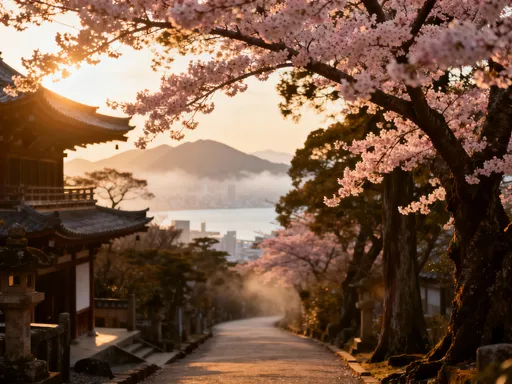
You know Kobe for its legendary beef, but honestly? That’s just the appetizer. Nestled between mountains and sea, this coastal gem surprised me at every turn—cherry blossoms dancing above ancient temples, panoramic city lights glowing after sunset, and quiet alleyways whispering old-world charm. I went for the food but stayed for the views. If you’re chasing real moments, not just checkmarks, let me show you the scenic soul of Kobe you won’t find in any tourist brochure.
First Impressions: A City Built Between Mountain and Sea
Kobe greets visitors with a dramatic embrace of nature and urban life. Unlike many Japanese cities that sprawl across flat plains, Kobe is carved into a narrow strip of land squeezed between the towering Rokko Mountains and the shimmering Seto Inland Sea. This unique geography creates a sense of intimacy and grandeur at once. As you step off the train or drive into the city, your eyes are immediately drawn upward—to forested slopes cloaking the skyline—and outward, where the harbor dances with reflections of passing ships and distant islands. The city’s layout follows the curve of the coast, allowing even downtown streets to offer glimpses of water and sky.
What makes this setting truly special is how seamlessly it integrates natural beauty into daily life. Residents wake to mountain mists and fall asleep to the soft glow of harbor lights. The contrast between rugged terrain and modern infrastructure is not jarring but harmonious. Elevated highways trace the contours of the hills, while pedestrian paths wind through greenery, connecting neighborhoods with parks and viewpoints. This balance gives Kobe a rhythm that feels both energizing and calming—a city alive with motion, yet grounded in serenity.
The influence of this landscape extends beyond aesthetics. It shapes how people move, live, and experience the city. For travelers, it means every journey—whether by foot, tram, or cable car—comes with a view. Even a simple commute can unfold like a scenic postcard: morning sun gilding the waves, evening clouds painted in pastels above the peaks. The mountains act as a natural backdrop, framing the city in green, while the sea brings a refreshing breeze that tempers the summer heat. This interplay of elements makes Kobe not just visually striking but emotionally resonant.
For those seeking authenticity in travel, Kobe’s geography offers something rare: a place where nature isn’t an escape from the city but an essential part of it. You don’t need to leave urban comforts behind to find beauty. Instead, you discover that the two coexist in a delicate, deliberate balance. Whether you’re sipping coffee in a hillside café or strolling along the waterfront promenade, the presence of mountain and sea reminds you that you’re in a place shaped by its environment—a city built not in defiance of nature, but in conversation with it.
Arima Onsen: Where Time Slows Down
Tucked into a quiet valley just a short train ride from central Kobe, Arima Onsen is one of Japan’s oldest and most revered hot spring towns. With a history stretching back over a thousand years, it has long been a sanctuary for travelers, samurai, and emperors seeking rest and rejuvenation. Today, it remains a haven of tranquility, where wooden inns line narrow streets, stone lanterns glow at dusk, and the scent of mineral-rich steam lingers in the air. Arima doesn’t dazzle with grandeur; instead, it invites you to slow down, breathe deeply, and reconnect with a gentler pace of life.
The journey to Arima feels like stepping into another era. As the train climbs away from the coast, the city fades behind, replaced by dense forests and the occasional glimpse of a shrine nestled among the trees. Upon arrival, the town unfolds in soft gradients—warm wood, moss-covered stones, and the rustle of bamboo in the breeze. Footpaths meander alongside streams, guiding visitors past traditional ryokan with sliding paper doors and tatami-floored rooms. Some inns have been family-run for generations, preserving customs that honor both comfort and simplicity.
Arima is known for two types of thermal waters: golden-brown “kinsen” (iron-rich) and colorless “ginsen” (carbonated). Both are believed to have soothing properties, easing muscle tension and promoting relaxation. Many ryokan offer private baths, while public bathhouses provide a communal experience steeped in ritual. Even if you don’t stay overnight, a visit to a day spa allows you to soak in the healing waters while surrounded by the quiet beauty of the valley. The warmth seeps into your bones, melting away the fatigue of travel and city life.
But Arima’s appeal goes beyond its baths. The surrounding hills offer gentle walking trails, leading to small temples, stone pagodas, and viewpoints overlooking the forest canopy. One popular path winds up to the ruins of Arima Castle, where remnants of stone walls stand as quiet witnesses to the past. Along the way, you might hear the distant chime of temple bells or catch the fragrance of pine and damp earth. These moments of stillness—unplanned and unhurried—are what make Arima so memorable. It’s not just a place to visit, but a place to feel.
For families and solo travelers alike, Arima offers a rare opportunity to unplug and unwind. Children can explore the narrow lanes with wonder, while adults find space to reflect. The town’s modest size encourages wandering without agenda, allowing serendipity to guide the day. Whether you linger over matcha at a roadside teahouse or watch steam rise from a stone bath under a canopy of trees, Arima reminds you that beauty often lies in simplicity. Here, time doesn’t rush—it breathes.
Mount Rokko: Above the Clouds, Above the City
Rising over 900 meters above sea level, Mount Rokko offers one of the most breathtaking vantage points in western Japan. Accessible via a scenic cable car from the base in Kobe, the ascent itself is part of the experience—windows framing ever-widening views as the city shrinks below and the treetops draw level with the car. At the summit, a network of walking trails, observation decks, and alpine gardens awaits, transforming the mountain into a year-round destination for nature lovers and photographers alike.
The crown jewel of Mount Rokko is its night view, often ranked among Japan’s “Three Great Nightscapes” alongside Nagasaki and Hakodate. As dusk falls, the city of Kobe ignites in a cascade of golden light, stretching from the harbor to the foothills. From the main observation deck, the panorama resembles a sea of stars spilled across the earth—buildings, roads, and bridges glowing in intricate patterns. The sight has earned the nickname “10 Million Dollar Night View,” a testament to its dazzling beauty. Visitors often pause in silence, captivated by the sheer scale and brilliance of the illuminated city below.
But Mount Rokko’s magic isn’t limited to nighttime. In spring, alpine flowers bloom in vibrant hues across the meadows, drawing hikers and botanists to the Rokko Alpine Garden—one of Japan’s highest-elevation botanical gardens. Summer brings cool breezes and lush greenery, making it a welcome retreat from the humidity of the lowlands. Autumn transforms the slopes into a tapestry of red, orange, and gold, as maple and ginkgo trees set the hills ablaze with color. Even in winter, when light snow dusts the peaks, the mountain offers a serene, almost ethereal beauty.
For families, the mountain provides gentle trails and educational exhibits about local flora and geology. The Rokko Garden Museum, housed in a historic Western-style building, offers insights into the area’s natural history and conservation efforts. Children delight in spotting mountain birds or chasing butterflies through the flower fields. Meanwhile, couples and solo travelers find quiet corners to sit, reflect, and absorb the vastness of the view. The elevation does more than offer perspective—it shifts your mindset, lifting you above the noise of daily life.
What makes Mount Rokko truly special is its accessibility. Unlike remote mountain destinations that require long hikes or specialized gear, Rokko welcomes all kinds of visitors. The cable car, well-maintained paths, and clear signage make it easy for older adults and young children to enjoy the experience. Yet, despite its convenience, it never feels crowded or commercialized. There’s a sense of reverence for the landscape, preserved through careful planning and respect for nature. Whether you come for the sunrise, the sunset, or the stars, Mount Rokko promises a moment of awe.
Kobe Port and Harborland: Urban Beauty Meets Ocean Breeze
At the heart of Kobe’s waterfront lies Harborland, a vibrant district where modern architecture, shopping, and dining converge along the edge of the Seto Inland Sea. Once a working port, this area has been transformed into a lively public space that captures the city’s dynamic spirit. Wide promenades invite leisurely strolls, while glass-fronted buildings reflect the ever-changing sky. At the center stands the iconic Kobe Port Tower, a red steel latticework structure inspired by the shape of a traditional Japanese drum. Its observation deck offers sweeping views of the harbor, ships, and distant mountains, making it a must-visit for any traveler.
Meriken Park, adjacent to Harborland, adds a touch of openness and greenery to the urban landscape. Home to the Kobe Maritime Museum and the striking red wind sail of the Kobe Port Tower, the park is designed for relaxation and reflection. Benches face the water, perfect for watching sailboats glide by or catching the golden hues of sunset. The park also houses the Earthquake Memorial Park, a solemn yet uplifting tribute to resilience, with a preserved section of the old dock and a clock frozen at 5:46 a.m.—the moment the Great Hanshin Earthquake struck in 1995. It’s a place of quiet remembrance, reminding visitors of Kobe’s strength and recovery.
Harborland comes alive in the evening, when thousands of lights illuminate the buildings, bridges, and promenades. Restaurants with outdoor seating serve fresh seafood and local specialties, their terraces glowing under soft lanterns. Couples walk hand in hand, families pause for ice cream, and photographers line the railings to capture the perfect shot of the water’s reflection. The atmosphere is warm and welcoming, full of gentle energy. Even on cooler days, the ocean breeze carries a sense of freshness that invigorates the senses.
What sets Kobe’s waterfront apart is its balance of activity and calm. Unlike bustling city centers that overwhelm with noise and crowds, Harborland feels spacious and intentional. There’s room to breathe, to pause, to simply be. Whether you’re shopping in the covered mall, riding the Ferris wheel for a bird’s-eye view, or sipping coffee at a waterside café, the presence of the sea keeps you grounded. The rhythmic lapping of waves, the cry of gulls, the distant horn of a departing ship—all serve as gentle reminders that you’re on the edge of something vast and timeless.
For travelers seeking both beauty and comfort, Harborland delivers. It’s a place where you can enjoy modern conveniences without losing touch with nature. The blend of urban design and natural elements creates a space that feels both contemporary and enduring. As the sun sets and the city lights begin to flicker on, Harborland reveals its true magic—a place where the energy of the city meets the serenity of the sea.
Nunobiki Waterfall and Botanical Garden: Nature Right in the City
Just minutes from downtown Kobe, a hidden world of greenery and water awaits. The Nunobiki area is home to one of Japan’s “Three Great Waterfalls,” a powerful cascade that plunges over 100 meters down a rocky cliff, surrounded by dense forest. What makes this destination extraordinary is its proximity to the city—within a 15-minute bus ride from Sannomiya Station, you can stand at the base of a roaring waterfall, mist cooling your face, birds calling from the treetops. It’s a rare example of wilderness preserved within an urban setting, offering a refreshing escape without requiring a full-day journey.
The trail to Nunobiki Waterfall begins with a short cable car ride up the mountain, followed by a gentle walk through shaded paths. Along the way, signs provide information about local plant species, including camellias, azaleas, and rare ferns. The air grows cooler and more humid as you ascend, carrying the scent of damp moss and pine. A series of wooden bridges and viewing platforms allow safe and scenic access to different angles of the falls. At the main overlook, the full force of the cascade becomes visible—a silver ribbon of water crashing into a rocky pool below, sending up a fine spray that glistens in the sunlight.
Adjacent to the waterfall is the Nunobiki Botanical Garden, a terraced sanctuary that climbs the mountainside with over 2,000 species of plants. Designed to blend seamlessly with the natural landscape, the garden features winding paths, stone staircases, and quiet benches tucked among the foliage. Seasonal blooms bring bursts of color—cherry blossoms in spring, hydrangeas in early summer, and fiery maples in autumn. A greenhouse at the top houses tropical and subtropical plants, including orchids and banana trees, adding an exotic touch to the alpine setting.
One of the most thrilling features is the suspended walkway that stretches across a deep ravine, offering panoramic views of the city below and the forest around. From this vantage point, you can see how Kobe is cradled by nature—skyscrapers rising beside green slopes, the harbor glittering in the distance. It’s a powerful reminder that urban and natural landscapes can coexist beautifully when thoughtfully preserved. Families, couples, and solo hikers all find something to love here: children enjoy spotting butterflies and squirrels, while adults appreciate the quiet beauty and fresh air.
The Nunobiki area is more than just a scenic spot—it’s a symbol of Kobe’s commitment to harmony with nature. Even as the city has grown and modernized, it has protected these green spaces, ensuring that residents and visitors alike can reconnect with the natural world. Whether you come for the waterfall, the garden, or simply the peace of the forest, Nunobiki offers a restorative experience that lingers long after you return to the city streets.
Kitano-cho: Where Old Meets New in Full Color
Perched on the hillsides of Kobe, Kitano-cho is a neighborhood where history and elegance come alive. In the late 19th century, this area became home to foreign merchants, diplomats, and traders who built Western-style houses with sweeping verandas, gabled roofs, and ornate woodwork. Today, more than 20 of these historic residences have been preserved and opened to the public as museums, cafes, and cultural centers. Walking through Kitano-cho feels like stepping into a living postcard—each mansion nestled among cherry trees, stone walls, and manicured gardens, offering panoramic views of the city and harbor below.
The charm of Kitano-cho lies in its atmosphere. Unlike reconstructed historical sites, these homes retain a sense of authenticity. You can step inside and imagine life a century ago—wood-burning fireplaces, grand staircases, and stained-glass windows catching the afternoon light. Some houses have been converted into small museums showcasing period furniture, while others host art exhibitions or serve traditional sweets and coffee. The Kitano Coffee Museum, located in a restored 1930s residence, is a favorite among visitors, offering a warm, nostalgic ambiance and a chance to savor locally roasted blends.
Spring transforms Kitano-cho into a dreamlike landscape, as cherry blossoms line the winding streets and spill over garden walls. Petals drift on the breeze, landing on cobblestone paths and red-brick sidewalks. In autumn, the ginkgo and maple trees turn golden and crimson, creating a rich contrast with the white and pastel-colored facades. The neighborhood is best explored on foot, allowing time to pause, photograph, and absorb the details—carved eaves, ivy-covered walls, and the occasional glimpse of the sea between rooftops.
Kitano-cho is not just a tourist destination but a living part of Kobe’s identity. Local families live nearby, and the area hosts seasonal festivals, craft markets, and cultural events that bring the community together. The blend of preservation and daily life gives the neighborhood a warmth that feels welcoming rather than museum-like. Whether you’re drawn to architecture, history, or simply the beauty of a well-kept garden, Kitano-cho offers a refined, contemplative experience.
For travelers seeking depth and character, Kitano-cho provides a window into Kobe’s cosmopolitan past and present. It’s a place where cultures met and merged, where Eastern and Western influences coexist in harmony. The quiet streets, elegant homes, and sweeping views create a sense of timelessness—one that invites you to slow down, look closely, and appreciate the art of living well.
Sunset to Night: The Magic of Kobe’s City Lights
As daylight fades, Kobe undergoes a quiet transformation. The golden hues of sunset give way to a soft twilight, and then, like a switch being flipped, the city begins to glow. This is the moment many travelers wait for—the emergence of Kobe’s legendary night view. Recognized as one of Japan’s most spectacular urban illuminations, the “10 Million Dollar Night View” is best experienced from elevated vantage points such as Mount Rokko, the Nunobiki Dam observation deck, or a leisurely harbor cruise. From any of these spots, the city unfolds like a constellation of light, with the port, bridges, and skyscrapers creating a luminous tapestry against the darkening hills.
The emotional impact of this view is profound. There’s something inherently moving about seeing a city come alive at night—lights flickering on in homes, office buildings reflecting the last traces of sky, and the rhythmic pulse of traffic tracing glowing rivers through the streets. On a clear evening, the view from Mount Rokko is nothing short of magical. The elevation removes you from the noise, placing you above the world, where the only sounds are the wind and the occasional murmur of fellow travelers. Cameras click, couples embrace, and solo visitors sit in quiet contemplation, each lost in their own thoughts.
For families, a nighttime visit can be especially memorable. Children marvel at the scale of the lights, while parents appreciate the peaceful atmosphere. Some choose to combine the experience with dinner at a mountain-top restaurant, where local specialties like Kobe beef or fresh seafood are served with a view. Others opt for a harbor cruise, gliding across the water as the city’s skyline rises on both sides, illuminated bridges arching overhead like ribbons of light. These moments—shared in silence or gentle conversation—become the kind of memories that last a lifetime.
The timing of your visit enhances the experience. Arriving an hour before sunset allows you to witness the transition from day to night, capturing both the warm tones of twilight and the gradual emergence of artificial light. As the sky shifts from orange to indigo, the city’s glow intensifies, culminating in a full display by 7:00 or 7:30 p.m. Photographers often use this window to capture long-exposure shots, blending the natural and urban elements into a single frame.
But beyond the spectacle, there’s a deeper meaning to Kobe’s night view. It represents resilience, beauty, and the quiet triumph of rebuilding. After the devastation of the 1995 earthquake, the city rose again, stronger and more luminous than before. Tonight, as you stand overlooking the glittering streets and harbor, you’re not just seeing a city—you’re witnessing a story of hope, perseverance, and harmony between nature and human endeavor.
Conclusion
Kobe isn’t just a stopover—it’s a sensory journey. From misty mountain trails to glittering harbor nights, its scenic spots reveal layers of beauty often overlooked. More than sights, they offer moments: a deep breath at a quiet shrine, a pause at a hilltop view, the warmth of a spring after a long walk. Choosing Kobe means choosing authenticity, where nature and city coexist in harmony. So next time you plan a trip, ask yourself: Am I ready to see beyond the plate? The answer might just change your journey.