Taste of Lusaka: How Zambia’s Capital Stole My Heart One Bite at a Time
Ever wondered what it feels like to fall in love with a city through its food? Lusaka, Zambia’s vibrant capital, surprised me with flavors I never expected—warm nshima, spicy relishes, and street snacks that burst with authenticity. This isn’t just eating; it’s connecting with culture, one plate at a time. Let me take you on a journey where every meal tells a story, where the rhythm of daily life is set by the sizzle of grills and the aroma of simmering pots. In Lusaka, food is not merely sustenance—it’s a language, a tradition, a gesture of welcome. To taste this city is to understand its soul.
First Impressions: Lusaka’s Food Scene Unfiltered
From the moment you step into Lusaka, the city greets you with an edible symphony. The air hums with the scent of charred meat, smoky firewood, and roasting maize—aromas that drift from roadside grills and open-air kitchens lining the bustling streets. Vendors in simple aprons call out to passersby, offering steaming plates of food wrapped in paper or served on chipped enamel trays. This is not fine dining; it’s real, raw, and deeply rooted in everyday life. The food culture here doesn’t hide behind menus or reservations. It unfolds on sidewalks, in market alleys, and at wooden tables under faded awnings, inviting everyone to partake.
What strikes most newcomers is how food binds the city together. In Lusaka, meals are rarely solitary affairs. Whether it’s a group of office workers sharing a platter of grilled chicken and nshima at noon or families gathered around a pot in the evening, eating is a communal ritual. The pace of life slows when it’s time to eat, and conversation flows as freely as the water served in reused soda bottles. Even in the midst of urban growth and modernization, this tradition remains untouched—a quiet resistance to the isolation that often comes with city living.
The blend of rural heritage and city energy shapes Lusaka’s culinary identity. While supermarkets and imported goods are increasingly common, the heart of the food scene still beats in the open markets and family-run stalls. Traditional ingredients like groundnuts, leafy greens, and dried fish are as present as packaged rice and canned tomatoes. This coexistence reflects a society in transition, yet firmly grounded in its roots. For visitors, this means an opportunity to experience both the authenticity of Zambian cuisine and the subtle shifts brought by a growing, evolving capital.
What makes Lusaka’s food culture so accessible is its warmth. Strangers are often invited to try a bite, and questions about ingredients are met with pride rather than impatience. There’s no gatekeeping here—just open hands and open hearts. This generosity turns every meal into a moment of connection, reminding travelers that food, in its purest form, is one of the most universal ways to say, “You belong.”
Nshima: The Heartbeat of Zambian Cuisine
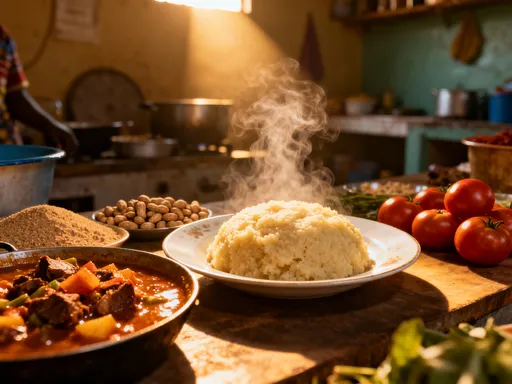
If there is one dish that defines Zambian food, it is nshima. A thick, dough-like porridge made from finely ground maize meal, nshima is the cornerstone of nearly every meal in Lusaka and across the country. Its preparation is simple but demands skill—maize flour is slowly stirred into boiling water until it reaches a smooth, dense consistency that can be shaped by hand. The result is a neutral, slightly earthy base that serves as the perfect companion to flavorful relishes and stews.
More than just a staple, nshima carries deep cultural significance. It is often served during family gatherings, celebrations, and moments of mourning—marking life’s most important events with quiet dignity. Eating nshima is a tactile experience: a small ball is rolled between the fingers, then used to scoop up relishes like ifishimu (a tangy vegetable stew), kapenta (tiny dried fish), or grilled meat. This method of eating—using only the right hand—connects diners to generations of tradition, where meals were shared without forks or knives, and nourishment came from both food and fellowship.
In Lusaka homes, the preparation of nshima is often a shared task. Women and children take turns stirring the pot, passing down techniques and stories with each turn of the wooden spoon. The dish is typically cooked over a charcoal stove or open flame, filling the house with a comforting warmth that signals it’s time to gather. Even in modern kitchens with gas stoves, the ritual remains unchanged—a testament to how deeply food is woven into family life.
Nshima’s role goes beyond nutrition; it symbolizes unity and resilience. In a country where agriculture remains central to livelihoods, maize is more than a crop—it’s a lifeline. The daily making of nshima honors that connection, turning a simple meal into an act of gratitude and continuity. For visitors, sharing a plate of nshima is not just about trying local food—it’s about being welcomed into a rhythm of life that values patience, presence, and togetherness.
Street Food Adventures: Flavors on the Move
Lusaka’s streets are alive with the energy of quick, delicious meals served in minutes. Street food is not just a convenience here—it’s a way of life. For city workers, students, and shoppers, a hot, affordable bite from a roadside vendor is the heartbeat of daily sustenance. The options are diverse, flavorful, and deeply satisfying, offering a direct line to the city’s culinary soul.
One of the most beloved snacks is roasted maize, sold by vendors who tend small grills on busy corners. Ears of corn are turned slowly over glowing coals, their kernels blackening slightly and releasing a sweet, smoky fragrance. Served on a stick and often dipped in a mix of salt and chili, it’s a humble treat that delivers pure comfort. Equally popular are mandazi—soft, triangular pieces of fried dough that resemble doughnuts but are less sweet. Served warm, they are perfect with tea in the morning or as an afternoon snack.
Another standout is chikanda, sometimes called African polony, a unique dish made from ground peanuts, wild orchid tubers, and water. It has a dense, sausage-like texture and a nutty, earthy flavor. Though it may seem unusual at first, chikanda is a testament to resourcefulness and tradition, using locally foraged ingredients to create something nourishing and filling. It’s often sliced and grilled, served with a side of relish or eaten on its own.
For those seeking something heartier, grilled meat skewers—known locally as roadhouse chicken or beef sticks—are a favorite. Marinated in spices and cooked over open flames, they are juicy, aromatic, and deeply flavorful. Served with a squeeze of lemon and a side of nshima or bread, they make for a satisfying, on-the-go meal. These skewers are especially popular in the evenings, when the city lights up and the scent of grilled meat fills the air.
To enjoy street food safely, a few simple guidelines help. Choose stalls with high turnover—busy vendors mean fresh food. Observe hygiene: look for clean hands, covered food, and proper handling. Drink bottled water or sealed beverages to avoid stomach discomfort. Most importantly, approach with respect and curiosity. Street vendors take pride in their craft, and a smile or a thank you goes a long way. Eating street food in Lusaka isn’t just about taste—it’s about participating in the rhythm of the city, one bite at a time.
Market Magic: Where Ingredients Come Alive
No visit to Lusaka is complete without a walk through one of its vibrant markets. Soweto Market, one of the city’s largest and most famous, is a feast for the senses. Rows of stalls stretch as far as the eye can see, piled high with colorful produce, dried fish, fresh meat, and fragrant spices. The air buzzes with chatter, bargaining, and the occasional burst of laughter. This is where the city’s food journey begins—not in restaurants, but in the hands of farmers, traders, and home cooks who bring ingredients from soil to table.
The produce is nothing short of spectacular. Bright red tomatoes, deep green spinach-like leafy vegetables known as caterpillar or rape, plump okra, and golden pumpkins are stacked in neat pyramids. Bunches of bananas, both sweet and cooking varieties, hang from wooden beams. Seasonal fruits like mangoes, guavas, and passion fruit appear in abundance during their peak months, their sweet aroma mingling with the earthy scent of root vegetables. Everything feels fresh, alive, and deeply connected to the land.
But the market is more than a place to shop—it’s a hub of knowledge and tradition. Older women in colorful wrappers can be seen teaching younger ones how to select the best cassava or how to prepare chibwabwa, a stew made from pumpkin leaves. Spices are sold in small paper packets—dried chili, cumin, and coriander—each chosen with care to enhance the flavor of home-cooked meals. Dried fish and kapenta are measured by hand, their salty tang a reminder of Zambia’s lakes and rivers.
Soweto Market and others like it play a vital role in the local economy. They support small-scale farmers who bring their harvests from surrounding villages, creating a direct link between rural producers and urban consumers. This system preserves traditional farming methods and reduces reliance on imported goods. For visitors, shopping here is not just about buying food—it’s about witnessing a living food culture that values freshness, seasonality, and community.
Many locals come early in the morning, when the air is cool and the best produce is still available. It’s common to see women balancing baskets on their heads, filled with vegetables and wrapped in cloth. The market is also a social space—friends meet here, news is exchanged, and deals are made. To walk through Soweto Market is to understand that food in Lusaka is not just consumed; it’s celebrated, shared, and honored from the very beginning of its journey.
Home-Cooked Stories: Dining with Locals
One of the most memorable experiences in Lusaka is being invited into a local home for a homemade meal. These moments are not staged for tourists—they are genuine, heartfelt, and deeply personal. Zambian families take great pride in their cooking, and offering food is one of the highest forms of hospitality. To be welcomed into a home is to be welcomed into the heart of the culture.
Meals are often prepared over charcoal stoves in outdoor kitchens or in small, well-used indoor spaces. Large pots simmer for hours, filling the house with rich, savory aromas. A typical menu might include nshima served with a combination of relishes—perhaps a tomato and onion stew, boiled beans, and grilled chicken or fish. Everything is made from scratch, using ingredients bought fresh from the market that morning. The process is slow, deliberate, and full of care.
What stands out most is the generosity. No matter the family’s means, they will offer more than enough food, urging guests to eat second and even third helpings. Refusing is often seen as a sign of disinterest, so it’s best to accept with gratitude. Meals are served on shared platters or individual plates, and everyone eats together, often sitting on stools or mats on the floor. Conversation flows easily, ranging from daily news to stories about childhood and family history.
These gatherings are not just about eating—they are about connection. Children sit close to their parents, learning how to roll nshima and scoop relish with the right hand. Elders share proverbs and wisdom between bites. Laughter is common, and silence is comfortable. There is no rush to finish or move on to the next activity. Time slows down, and the simple act of sharing a meal becomes a moment of peace and belonging.
For travelers, these experiences are priceless. They offer a rare glimpse into everyday life, far removed from tourist attractions and guided tours. They remind us that the most meaningful travel happens not in monuments or museums, but in homes, kitchens, and dining spaces where people open their doors and their hearts. In Lusaka, a home-cooked meal is not just food—it’s a story, a memory, and a bridge between strangers.
Modern Twists: How Lusaka’s Restaurants Are Evolving
While tradition remains strong, Lusaka’s dining scene is also embracing change. A new generation of chefs and entrepreneurs is reimagining Zambian cuisine for a modern audience. Restaurants and cafes across the city are blending local flavors with contemporary presentation, creating dishes that honor the past while appealing to evolving tastes.
In upscale neighborhoods and shopping centers, you’ll find eateries where nshima is served on elegant ceramic plates, accompanied by artistically arranged relishes and grilled meats. Some chefs are experimenting with fusion—adding international ingredients or techniques to classic recipes. A plate of chikanda might be served with a mango salsa, or kapenta could be baked in a puff pastry for a modern twist. These innovations are not about replacing tradition, but about expanding its reach.
Atmosphere also plays a bigger role now. Many restaurants invest in comfortable seating, soft lighting, and background music, creating spaces where families and friends can linger over long meals. Outdoor gardens, shaded patios, and live acoustic music add to the experience, making dining out a special occasion. Yet even in these modern settings, the core values of Zambian food culture remain—sharing, warmth, and generosity.
Cafes have also grown in popularity, offering coffee, fresh juices, and light meals in relaxed environments. Here, young professionals meet for lunch, students study with laptops, and families enjoy weekend brunches. Menus often include both Western-style dishes and Zambian favorites, allowing visitors to sample a range of flavors in one sitting. The rise of these spaces reflects a growing urban lifestyle, where convenience and comfort matter, but cultural identity still holds strong.
This evolution is not without challenges. Some worry that modernization might dilute traditional cooking methods or make food less accessible. Yet, many of these new restaurants actively support local farmers and use traditional ingredients, ensuring that innovation does not come at the cost of authenticity. The goal is not to erase the past, but to celebrate it in new ways—making Zambian cuisine visible, valued, and vibrant in a changing world.
Why Food Is the True Gateway to Lusaka
In the end, it is through food that Lusaka reveals itself most honestly. More than any monument, museum, or guided tour, a shared meal offers a direct window into the city’s spirit. Here, food is not a commodity—it is a language of care, a sign of respect, and a thread that connects people across generations and backgrounds.
Every bite tells a story: of farmers tending maize fields under the sun, of mothers stirring pots for their families, of vendors rising before dawn to prepare food for strangers. These stories are not loud or flashy, but they are powerful in their simplicity. They speak of resilience, of joy in small things, of the deep value placed on community. To eat in Lusaka is to become part of that story, even if just for a moment.
Travelers often come searching for sights, but they leave remembering flavors. The warmth of freshly made nshima, the tang of a spicy relish, the sweetness of a ripe mango—these sensations linger long after the journey ends. They become memories not just of a place, but of the people who welcomed you, fed you, and shared their lives with you.
So when you visit Lusaka, go beyond the guidebooks. Step off the main roads, follow the scent of grilled meat, and accept that invitation to eat with a local family. Let the food guide you. Let it slow you down, open your heart, and teach you what truly matters. Because in this city, the table is not just where you eat—it’s where you belong.