You Won’t Believe These Hidden Natural Wonders in Normandy
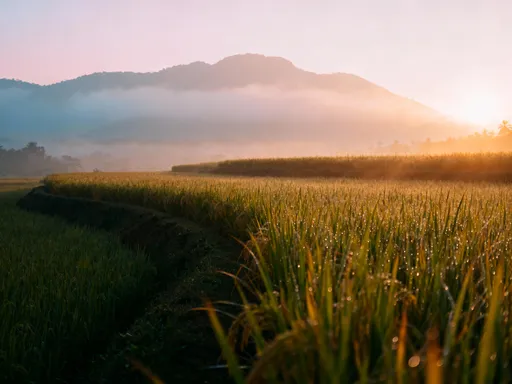
Normandy isn’t just history and half-timbered villages—its natural beauty will blow you away. Rolling cliffs, misty marshlands, and wild coastal trails create a landscape that feels untouched. I went searching for peace and found magic in the quiet moments: sunrise over a dew-covered meadow, the crash of waves at a deserted cove. This is nature at its most honest—and it’s waiting to be explored.
Why Normandy’s Natural Landscapes Are a Game-Changer
For decades, Normandy has drawn travelers for one powerful reason: its pivotal role in history. The D-Day beaches, the solemn cemeteries, and the preserved bunkers have rightly earned global respect and reverence. Yet beyond the monuments and memorials lies a quieter, equally compelling side of this French region—its extraordinary natural landscapes. Increasingly, travelers are turning away from crowded historical sites in search of serenity, authenticity, and deeper connection. Normandy answers that call with a rich mosaic of ecosystems, from windswept dunes to tranquil river valleys, each offering a different kind of journey.
What makes Normandy’s natural scenery so transformative is its variety and accessibility. Within a two-hour drive, one can stand atop chalk cliffs pounded by the English Channel, walk through silent forests where deer still roam freely, and wade across tidal flats that reveal entire islands at low tide. These environments are not staged or commercialized; they unfold with a quiet dignity that invites reflection. Unlike the intensity of battlefield tourism, experiencing Normandy’s nature feels restorative. It allows space for breath, for stillness, for reconnection—not only with the land but with oneself.
The shift toward nature-based travel is not unique to Normandy, but the region is particularly well-positioned to meet this demand. Its rural character has been preserved through careful land management and regional pride. Many areas benefit from protected status, such as regional natural parks and UNESCO biosphere reserves, ensuring that development remains in balance with conservation. For families, couples, and solo travelers alike, Normandy offers a rare combination: ease of access from Paris or the UK, excellent infrastructure, and landscapes that feel refreshingly unspoiled. As more people seek travel that nurtures rather than exhausts, Normandy’s natural wonders are emerging as a quiet revelation.
The Magic of the Alabaster Coast: More Than Just Cliffs
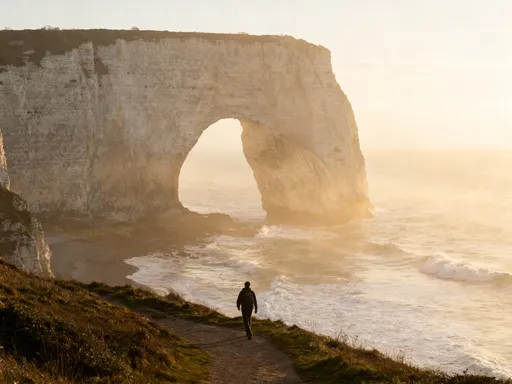
Stretching along the English Channel from Le Havre to Dieppe, the Alabaster Coast—Côte d'Albâtre—is one of Normandy’s most iconic natural treasures. Its towering white cliffs, sculpted by centuries of wind and waves, rise dramatically from the sea like ancient fortresses. The most famous stretch lies near the village of Étretat, where nature has carved three majestic arches—Porte d’Aval, Porte d’Amont, and Manneporte—each more breathtaking than the last. These formations, along with the needle-like rock known as L’Aiguille, have inspired artists for generations, including Gustave Courbet and Claude Monet, both of whom captured their ethereal light on canvas.
Walking the coastal trails above Étretat is an experience that engages all the senses. The path winds through fragrant gorse and sea thrift, with sudden clearings that offer panoramic views of the churning sea below. On clear mornings, the mist hangs low over the water, softening the edges of the cliffs and giving the scene a dreamlike quality. In the late afternoon, the sun casts long shadows across the rock faces, turning the chalk from white to gold. For photographers and nature lovers, timing a visit to catch these changing lights can make all the difference. Early risers are rewarded with solitude and the soft glow of sunrise; those who stay until dusk witness the sky blaze in pinks and purples before fading into twilight.
Hiking along the Alabaster Coast is accessible to most fitness levels, with well-marked trails that connect viewpoints safely. The most popular route leads from Étretat’s town center up to the clifftop paths, offering several loop options ranging from 3 to 8 kilometers. Safety is essential—visitors should stay behind barriers and avoid climbing on unstable edges, especially after rain. Coastal erosion is an ongoing process, and sections of the cliff can collapse without warning. Local authorities provide clear signage, and guided walks are available for those who prefer expert companionship. Whether you're drawn by the geology, the views, or the sheer awe of standing where land meets sea, the Alabaster Coast delivers a sense of wonder that few places can match.
Peaceful Escapes: The Wetlands and Marshes of Normandy
While the cliffs command attention, Normandy’s wetlands offer a different kind of beauty—one defined by stillness, reflection, and subtle movement. In places like the Marais Vernier, a former floodplain of the Seine River, and the vast intertidal zones of the Baie du Mont-Saint-Michel, nature unfolds at a slower pace. These marshlands, crisscrossed by narrow dikes and water channels, are havens for birdlife and moments of quiet contemplation. Herons stalk the shallows, ducks glide across glassy pools, and in spring, the air hums with the calls of migrating waders. For those seeking calm, these areas provide a sanctuary where time seems to stretch and worries dissolve.
The Marais Vernier, located in the heart of the Normandy countryside, is one of the region’s best-kept secrets. Once used for grazing cattle, it has been carefully restored to support biodiversity. A network of walking trails and observation points allows visitors to explore without disturbing the delicate balance. Early morning is the ideal time to visit—fog often lingers over the grass, and the rising sun paints the reeds in soft gold. Binoculars are recommended, as the area is home to over 200 bird species, including kingfishers, marsh harriers, and the elusive bittern. Interpretive signs along the path offer insights into the ecosystem, explaining how seasonal flooding supports plant growth and provides shelter for amphibians and insects.
Equally remarkable is the Baie du Mont-Saint-Michel, a UNESCO World Heritage site renowned for having some of the highest tides in Europe. At low tide, the bay reveals vast expanses of sand and mudflats, stretching for kilometers. Walking across these tidal flats, even from a safe distance, feels like stepping onto another planet. The water rushes back in with surprising speed, a reminder of nature’s power and rhythm. Birdwatchers flock here to observe flocks of oystercatchers, curlews, and dunlins that feed on the rich marine life. Guided walks, led by certified naturalists, ensure safety and deepen understanding of this dynamic environment. These wetlands are not just scenic—they are vital to the health of the coastline, acting as natural buffers against storms and providing breeding grounds for countless species.
Hidden Forests and Secret Valleys You’ve Never Heard Of
Beyond the coast and marshes, Normandy’s interior hides a network of forests and river valleys that feel worlds away from modern life. The Forêt de Lyons, one of the largest woodland areas in Upper Normandy, covers over 10,000 hectares of rolling hills and dense canopy. Paths wind beneath ancient oaks and beeches, their roots tangled like old hands gripping the earth. Moss clings to fallen logs, and ferns unfurl in the damp shade. In autumn, the forest glows in shades of amber and rust; in spring, wild garlic carpets the ground with fragrance. It’s easy to imagine fairytale creatures just beyond the next bend.
Another gem is the Vire Valley in the western part of the region, where the Vire River cuts a gentle path through limestone cliffs and meadows. The valley is dotted with half-timbered hamlets and old watermills, some converted into charming guesthouses. Canoeing along the river offers a peaceful way to experience the landscape, with kingfishers darting ahead and dragonflies skimming the surface. Along the banks, wildflowers bloom in summer—purple loosestrife, yellow iris, and meadowsweet—while willow trees dip their branches into the current. Cyclists enjoy the quiet country roads that follow the river, often stopping at small farms to buy fresh apples or homemade cider.
Access to these areas is straightforward, with clearly marked parking areas and trailheads. The Forest of Lyons, for example, has multiple entry points near the town of Lyons-la-Forêt, a picturesque village with timber-framed houses and a central marketplace. Visitors can combine a morning hike with a stroll through the village and a lunch at a local café. In the Vire Valley, towns like Saint-Lô and Villedieu-les-Poêles serve as excellent bases, offering accommodations and information at tourist offices. These forests and valleys are not only beautiful—they are also essential for maintaining biodiversity, filtering water, and providing clean air. Their quiet beauty reminds us that nature thrives not only in dramatic landscapes but in the gentle, everyday green spaces we often overlook.
Coastal Charm Beyond the Crowds: Saint-Vaast-la-Hougue & Surroundings
On the Cotentin Peninsula, facing the English Channel, lies the charming fishing village of Saint-Vaast-la-Hougue—a destination that captures the soul of coastal Normandy without the throngs of tourists. With its colorful wooden cabins, stone harbor, and views of the Îles Saint-Marcouf, it feels like a place suspended in time. What sets this area apart is its connection to the tides. At low tide, vast sandbanks emerge, creating natural pathways across the bay. Locals and adventurous visitors walk these causeways, guided by the rhythm of the sea, to explore the islands or gather shellfish under strict regulations.
The Îles Saint-Marcouf, two small uninhabited islands just offshore, are a protected natural reserve. Rich in seabirds and rare plants, they are accessible only by guided boat tours, which operate seasonally from Saint-Vaast. These excursions offer more than just scenery—they weave in stories of the islands’ past, from Napoleonic fortifications to their role in D-Day reconnaissance. The blend of nature and history feels seamless here, a reminder that Normandy’s identity is layered and complex. Back on the mainland, oyster farming is a way of life. Visitors can tour the oyster beds at low tide, meet the farmers, and sample the freshest oysters straight from the sea, paired with a glass of crisp Normandy cider.
Saint-Vaast-la-Hougue is also a gateway to the larger Bay of Mont-Saint-Michel, sharing its dramatic tidal patterns but with far fewer crowds. The surrounding coastline features quiet coves, rocky inlets, and dune systems that support specialized plant life. Families enjoy beachcombing, while birdwatchers scan the skies for peregrine falcons and sandwich terns. The village itself exudes warmth and authenticity, with bakeries selling buttery pastries, fishermen mending nets, and children playing by the water. It’s a place where slow living isn’t a trend—it’s tradition. For travelers seeking beauty without bustle, Saint-Vaast-la-Hougue offers a perfect balance of natural wonder and human charm.
How to Experience Normandy’s Nature Like a Local
To truly appreciate Normandy’s natural landscapes, it helps to slow down and embrace the local rhythm. The region rewards those who travel mindfully, who take time to savor a sunrise or linger over a picnic. One of the best ways to explore is by bicycle. Quiet country roads, dedicated cycle paths, and gentle terrain make Normandy ideal for cycling. Renting bikes in towns like Bayeux, Honfleur, or Saint-Lô opens up access to trails that cars cannot reach. Pack a basket with regional treats—Camembert cheese, pain de campagne, apples from local orchards, and a bottle of cider—and find a scenic spot to pause. A picnic by a riverbank or on a clifftop becomes its own small celebration of the moment.
Timing is another key to an authentic experience. Visiting popular sites like Étretat or Mont-Saint-Michel early in the morning or late in the afternoon helps avoid crowds and captures the best light. Weekdays are generally quieter than weekends, especially outside peak summer months. Spring and autumn offer mild weather, blooming wildflowers, or golden foliage, with fewer tourists and lower accommodation prices. Staying in family-run gîtes or chambres d’hôtes not only supports local economies but also provides personal insights—from the best walking paths to the tastiest crêpe stand.
Responsible travel is deeply valued in Normandy. Locals take pride in their environment and expect visitors to do the same. Staying on marked trails prevents erosion and protects fragile habitats. Carrying out all trash, avoiding single-use plastics, and respecting wildlife—such as not disturbing nesting birds or feeding animals—are simple but meaningful actions. Many communities have embraced eco-tourism, offering reusable water bottles at information centers, promoting carpooling, and using renewable energy in accommodations. By traveling with care, visitors honor the land and help ensure it remains beautiful for future generations.
Why Protecting These Landscapes Matters—And How You Can Help
Normandy’s natural wonders are not indestructible. Coastal erosion, rising sea levels, agricultural runoff, and unregulated tourism all pose real threats. The very cliffs that inspire awe are slowly crumbling into the sea. Wetlands face pressure from drainage and development. Even the quiet forests are vulnerable to invasive species and climate change. Recognizing these risks is the first step toward preservation. Fortunately, Normandy has a strong tradition of environmental stewardship. Several areas are protected under national and international designations, including the Parc Naturel Régional des Boucles de la Seine Normande and the biosphere reserve of the Baie du Mont-Saint-Michel. These protections help limit harmful activities, fund conservation projects, and promote sustainable land use.
Visitors play a crucial role in this effort. Choosing eco-friendly accommodations, supporting local guides, and following park regulations are tangible ways to contribute. Participating in citizen science initiatives—such as bird counts or beach cleanups—can deepen one’s connection to the landscape while providing valuable data to researchers. Simply spreading the word about responsible travel practices helps raise awareness. When travelers share photos of pristine meadows or quiet trails, they inspire others to visit with respect.
Ultimately, Normandy is more than a place of historical memory. It is a living, breathing landscape shaped by natural forces and human care. Its cliffs, marshes, forests, and tides tell a story of resilience and beauty. By visiting with intention, by listening to the land, and by acting as thoughtful guests, we honor that story. The quiet moments—watching a heron take flight, feeling the sea breeze on your face, walking a path through dew-covered grass—are not just personal treasures. They are reminders of what is possible when we protect the natural world. Normandy’s hidden wonders are waiting. All we need to do is see them, cherish them, and help keep them wild.