You Won’t Believe Where I Ate in Milos—This Is Next-Level Island Dining
Nestled in the Aegean Sea, Milos, Greece, is more than just whitewashed villages and volcanic beaches—it’s a hidden gem for food lovers. During my exploration, I stumbled upon seaside tavernas and family-run spots serving dishes bursting with local flavor. From freshly caught octopus to sun-ripened tomatoes, every bite tells a story. This island doesn’t just feed you—it welcomes you. With its dramatic cliffs, turquoise coves, and centuries-old fishing traditions, Milos offers a rare kind of culinary journey: one rooted in authenticity, shaped by the sea, and shared with warmth. Here, dining isn’t about spectacle—it’s about connection, seasonality, and the quiet pride of a community that lives off the land and water.
Discovering Milos: More Than Just a Pretty Island
Milos, part of the Cyclades archipelago, often escapes the spotlight reserved for its more famous neighbors like Santorini and Mykonos. Yet, this very obscurity is what makes it so special. Unlike the bustling, highly commercialized islands, Milos retains a peaceful rhythm, where daily life unfolds at a natural pace. The island’s unique geological history—shaped by volcanic activity—has gifted it with surreal landscapes: sea caves, hot springs, and beaches with sands in hues of red, black, and gold. These same forces have also enriched the soil, creating ideal conditions for robust, flavorful produce. The volcanic terrain, combined with strong sea breezes and abundant sunshine, contributes to the distinct taste of Milos’ agricultural offerings, from herbs to vegetables.
But Milos is not just a feast for the eyes—it’s a haven for the palate. Its long coastline and deep-rooted fishing traditions mean that seafood is central to the island’s cuisine. Families have relied on the sea for generations, and this heritage is reflected in the way food is prepared and served. There’s no pretense here, no attempt to impress with modern techniques or elaborate plating. Instead, the focus is on freshness, simplicity, and respect for ingredients. Travelers who come to Milos seeking culinary authenticity are rewarded with meals that feel deeply personal, as if they’ve been invited into a local home rather than seated in a restaurant.
What sets Milos apart from other Greek islands is its ability to balance natural beauty with cultural integrity. It has not been overtaken by mass tourism, allowing traditions to remain intact. This preservation extends to its food culture, where recipes are passed down through families and seasonal rhythms dictate what appears on the table. For the discerning traveler, this means an opportunity to experience Greece as it once was—unhurried, genuine, and rich in flavor. Milos invites exploration not just of its terrain, but of its soul, one meal at a time.
The Heart of Milos: Food as a Cultural Journey
In Milos, dining is not merely an act of nourishment—it is a cultural expression, a way of life that connects people to their environment and to one another. Meals are often slow, unhurried affairs, shared among family and friends, where conversation flows as freely as the house wine. This sense of community is woven into the fabric of daily life, and visitors are welcomed into it with open arms. The island’s cuisine reflects a deep respect for seasonality, with menus changing according to what is available locally at any given time. There is no reliance on imported goods when the land and sea provide so abundantly.
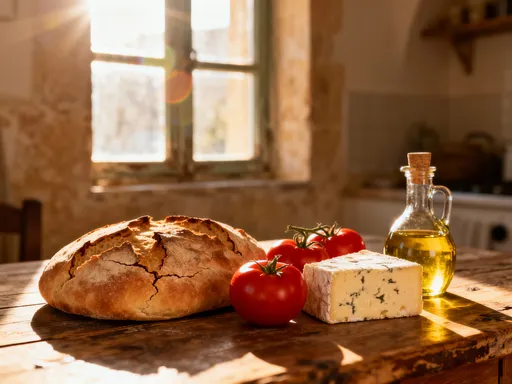
Local ingredients form the backbone of Milos’ culinary identity. Among the most celebrated is the island’s fava—a creamy yellow split pea puree that is smoother and more aromatic than its counterparts elsewhere in Greece. Grown in the mineral-rich volcanic soil, Milos fava has a distinctive depth of flavor, often served with capers, red onions, and a generous drizzle of olive oil. Capers themselves are a point of pride, harvested wild from the rocky cliffs and cured in salt or brine. Their bold, tangy punch enhances everything from salads to fish dishes.
Another staple is chloro cheese, a semi-hard, slightly salty cheese made from goat or sheep milk. Aged in barrels or stored in olive oil, it carries the essence of the island’s pastoral landscape. These ingredients are not just food—they are markers of place, each one telling a story of terroir and tradition. When you eat in Milos, you are not just tasting flavors; you are experiencing history, geography, and the quiet craftsmanship of people who take pride in their work. This is cuisine that cannot be replicated, because it is inseparable from the island itself.
Fishing Villages Turned Food Hotspots
Along Milos’ rugged coastline, small fishing villages have evolved into some of the most authentic dining destinations on the island. Places like Klima, Firopotamos, and Pollonia are not just picturesque—they are living testaments to a way of life that revolves around the sea. Klima, with its iconic syrmata—colorful, cube-shaped fishermen’s houses built right into the cliffs and harbor walls—is perhaps the most visually striking. These structures were originally designed to store boats and fishing gear, but today, many have been converted into homes, cafes, and even tiny restaurants.
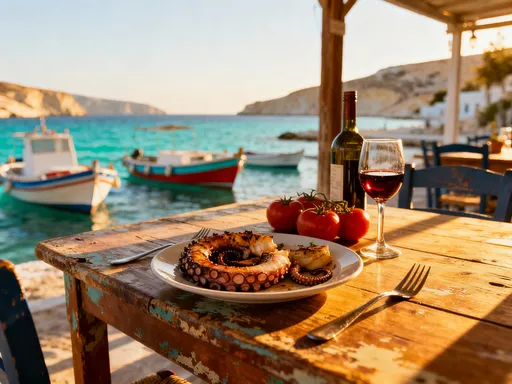
What makes these villages so special is their immediacy. Fishermen haul in their catch each morning, and within hours, those same fish are being grilled over open flames at nearby tavernas. There are no freezers, no supply chains—just the rhythm of the tides and the skill of those who know the waters best. In some places, there are no menus at all. Instead, the cook will tell you what was caught that day: perhaps red mullet, bream, or octopus, all simply prepared with lemon, olive oil, and oregano. The absence of choice is not a limitation—it’s a promise of freshness.
Dining in these villages is an immersive experience. You might sit at a wooden table just steps from the water, the sound of waves mixing with the clink of glasses and the murmur of conversation. Children play nearby, elders sip coffee in the shade, and the scent of grilling fish fills the air. There is a sense of belonging, even for visitors. These meals are not staged for tourists; they are part of daily life. The food is served on chipped plates, the napkins are paper, and the silverware might be mismatched—but none of that matters. What matters is the taste, the company, and the knowledge that you are eating something real, something that could only exist here.
Where Locals Eat: Off-the-Beaten-Path Eateries
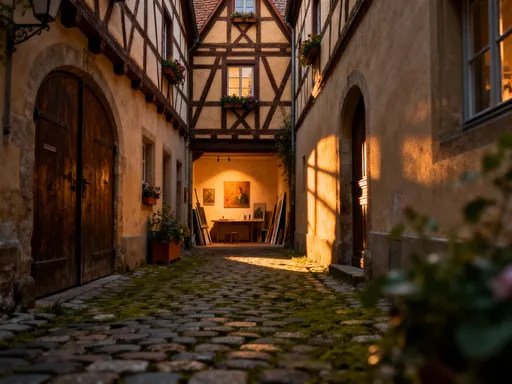
If you want to eat like a local in Milos, you have to be willing to wander. The most memorable meals are rarely found in the center of tourist hubs or along main roads. Instead, they are tucked away in quiet alleys, nestled in small harbors, or perched on hillsides with unassuming facades. These are family-run tavernas where the same recipes have been used for decades, if not generations. The owners often greet guests like old friends, and the staff moves with the ease of people who have been doing this their whole lives.
One such place might be a simple stone building with a few tables outside, shaded by a grapevine. The menu is handwritten on a chalkboard, with daily specials dictated by the market and the sea. A typical meal might begin with a plate of stamnagathi—bitter wild greens that grow in the hills, boiled and served with lemon and olive oil. This humble dish is a favorite among locals, valued for its freshness and health benefits. Next comes grilled sardines, their skin crisp from the charcoal, their flesh moist and flavorful. Or perhaps stuffed calamari, filled with a mixture of rice, herbs, and tomato, then simmered in a light broth.
What stands out in these eateries is the lack of pretense. There are no fusion experiments, no molecular gastronomy—just honest, well-executed food. The wine comes in carafes, the bread is from the village bakery, and the dessert might be a slice of watermelon or a small bowl of yogurt with local honey. These details matter because they reflect a philosophy: that good food doesn’t need embellishment. It simply needs time, care, and the right ingredients. For travelers, dining in these hidden spots is more than a meal—it’s a lesson in simplicity, a reminder that the best experiences often come from the most unremarkable places.
The Secret Behind Milos’ Specialty Dishes
The uniqueness of Milos’ cuisine lies not just in what is served, but in how and where it is grown or caught. The island’s volcanic soil, formed over thousands of years, is rich in minerals that enhance the flavor and aroma of its agricultural products. This is particularly evident in the island’s fava, which is made from a specific variety of yellow split peas cultivated exclusively in Milos. The soil gives the peas a naturally sweet, nutty taste, and when slow-cooked with onions and olive oil, the result is a velvety puree that is both comforting and complex.
Many restaurants in Milos take pride in sourcing ingredients directly from their own gardens or from nearby farms. Herbs like oregano, thyme, and mint grow wild and are often picked fresh each morning. Some chefs maintain small plots where they grow heirloom tomatoes, zucchini, and eggplants, ensuring peak ripeness and flavor. This hyper-local approach means that dishes are not only fresher but also more sustainable, reducing the need for transportation and packaging.
Traditional cooking methods also play a crucial role. Fish is grilled over charcoal, preserving its natural juices and adding a subtle smokiness. Stews and casseroles are cooked slowly in clay pots, allowing flavors to deepen over time. Even the way bread is baked—often in wood-fired ovens—adds a rustic quality that modern appliances cannot replicate. These techniques have been refined over generations, passed down through families who understand that time is an ingredient in itself. In Milos, there is no rush to innovate for the sake of novelty. Instead, there is a deep respect for what has worked for centuries, a belief that the best food is not trendy—it is timeless.
Practical Tips for the Exploratory Food Traveler
To truly experience the culinary delights of Milos, a bit of planning and flexibility are essential. The island’s best eateries are often located in remote areas, accessible only by car or scooter. Public transportation exists but is limited, so renting a vehicle is highly recommended for those who want to explore beyond the main towns. A car allows you to discover hidden coves, family-run tavernas, and local markets at your own pace, turning each meal into an adventure.
Another important consideration is timing. Many restaurants in Milos operate on a seasonal basis, opening in late spring and closing by early autumn. Some may also close for a few days during the week, especially in the off-season, so it’s wise to check opening hours in advance. Reservations are not always necessary, but they can be helpful during peak summer months when visitors are more numerous. That said, part of the charm of dining in Milos is the spontaneity—stumbling upon a seaside grill or a village bakery with no prior plan.
Cash is still king in many places. While larger establishments accept credit cards, smaller tavernas and market vendors often prefer cash. It’s a good idea to carry some euros in small denominations to avoid inconvenience. Additionally, engaging with locals can lead to the best discoveries. A simple conversation with a shopkeeper, a fisherman, or a neighbor can reveal a hidden gem that isn’t listed in any guidebook. Asking for recommendations is not just practical—it’s a way to connect, to show respect for the culture, and to be welcomed as more than just a tourist.
Finally, embrace the pace. Meals in Milos are not meant to be rushed. Lunch might stretch into the late afternoon, dinner might not start until after sunset. This is not inefficiency—it is a way of life. When you slow down, you notice more: the taste of the olive oil, the warmth of the sun, the laughter at the next table. This mindfulness enhances the entire experience, making each bite more meaningful.
Why Milos Should Be Your Next Culinary Escape
Milos offers something increasingly rare in today’s world: authenticity. In an age where many travel experiences feel curated or commercialized, this island remains refreshingly real. Its food is not designed for Instagram—it is designed to nourish, to celebrate, to bring people together. To eat in Milos is to participate in a tradition that values quality over quantity, connection over convenience, and simplicity over spectacle.
What makes this island so compelling is that its beauty and its cuisine are inseparable. The same sea that carves its dramatic cliffs provides the fish on your plate. The same sun that warms the volcanic rocks ripens the tomatoes and herbs. Every element of the landscape contributes to the flavor of the food, creating a harmony that cannot be manufactured. This is not farm-to-table as a trend—it is farm-to-table as a way of life.
For the traveler seeking more than just a vacation, Milos offers a chance to reconnect—with nature, with culture, with the simple joy of a well-prepared meal. It invites you to slow down, to listen, to taste with intention. It reminds you that the best experiences are often the quietest, the most unassuming. You won’t believe where you ate in Milos, not because it was glamorous, but because it was genuine. This is next-level island dining: not because it’s fancy, but because it’s true. So pack your bags, leave the itinerary behind, and let the island guide you—one unforgettable bite at a time.