You Won’t Believe These Hidden Art Gems in Rothenburg
Rothenburg, Germany, is more than half-timbered alleys and fairy-tale facades — it’s a quiet hub of creativity hiding in plain sight. I stumbled upon tiny galleries tucked in medieval corners, where local artists breathe new life into ancient walls. These intimate art spaces offer something big cities can’t: authenticity, connection, and surprise. If you’re craving culture beyond the postcard views, Rothenburg’s artistic heartbeat is waiting to be discovered.
Beyond the Postcard: Rothenburg’s Artistic Soul
When most travelers think of Rothenburg ob der Tauber, they picture cobbled lanes, steeply pitched roofs, and the iconic Town Hall rising above the marketplace. It’s a town preserved in amber, a living museum of 14th-century German architecture that draws visitors from across the globe. Yet beyond its well-documented charm lies a quieter, more personal dimension — one that unfolds not in guidebooks, but in the soft glow of gallery lamps and the scent of oil paint in tucked-away studios. Rothenburg is not merely a monument to the past; it is a canvas where history and artistry converge in unexpected harmony.
The town’s artistic soul reveals itself in subtle ways. Look closely at the painted gables along Plönlein or the Marktplatz, and you’ll notice intricate details — floral motifs, biblical scenes, and whimsical figures — that are themselves works of public art. These ornate facades were never just decorative; they told stories, conveyed status, and reflected civic pride. Today, that tradition of storytelling continues, not on plaster and timber, but in watercolor, clay, and carved wood. The medieval streets, once home to guilds and craftsmen, now host a new generation of artisans who honor the past while shaping a living cultural identity.
What sets Rothenburg apart is its ability to balance tourism with authenticity. While many historic towns risk becoming theme parks of themselves, Rothenburg has managed to preserve pockets of genuine creative life. Its galleries are not grand institutions with velvet ropes and hushed tones, but intimate spaces where art feels accessible, personal, and deeply rooted in place. For the thoughtful traveler — particularly those who value depth over spectacle — these quiet corners offer a richer, more resonant experience than any souvenir shop or panoramic viewpoint.
The Magic of Small-Scale Galleries
The true magic of Rothenburg’s art scene lies in its scale. Unlike the sprawling museums of Berlin or Munich, the town’s galleries are modest in size but rich in character. Often housed in converted homes, former workshops, or repurposed storerooms, these spaces invite close engagement. You won’t find crowds pressing forward to glimpse a famous masterpiece here. Instead, you might stand just inches from an original painting, able to see the brushstrokes, the texture of the canvas, and the artist’s hand in every detail.
Many of these galleries are family-run, passed down through generations or established by artists who chose Rothenburg for its peaceful rhythm and inspiring surroundings. In some, the artist greets visitors personally, offering insights into their process, inspirations, and connection to the region. This immediacy transforms viewing art into a conversation — a rare gift in an age of digital reproduction and distant curation. It’s not uncommon to leave a gallery not only with a small print or handmade ceramic, but with a story, a name, and a sense of having met someone who truly loves their craft.
The range of media on display is both diverse and deeply local. Watercolorists capture the soft light of early morning on the city walls. Woodcarvers, drawing from centuries-old Bavarian traditions, shape delicate figurines, religious icons, and functional art like spoons and candle holders. Ceramicists use locally sourced clay to create glazed bowls and vases that echo the colors of the Franconian countryside — earthy browns, golden yellows, and deep forest greens. Even textile artists contribute, weaving tapestries that blend folk patterns with contemporary design. Each piece carries a quiet narrative, often inspired by the seasons, local legends, or the rhythms of small-town life.
Art in Unexpected Places
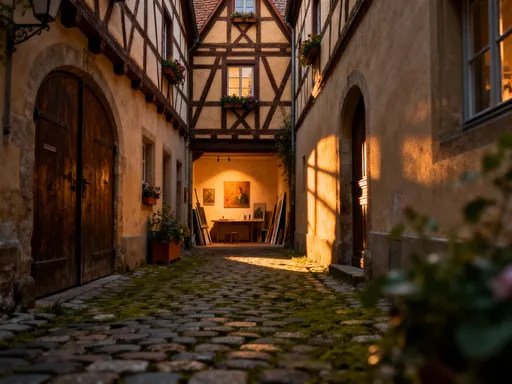
In Rothenburg, art doesn’t always wait behind gallery doors. Some of the most memorable works appear in the most unexpected settings — a sculpture tucked into a moss-covered courtyard, a stained-glass installation in a deconsecrated chapel, or a temporary mural painted on the side of a centuries-old bakery. These interventions blur the line between art and environment, transforming the entire town into an open-air exhibition.
One of the most striking examples is the use of restored religious spaces for contemporary art displays. Several small chapels, once silent for decades, have been carefully adapted to host seasonal exhibitions. The interplay of light through ancient windows, the acoustics of stone walls, and the solemn atmosphere create a meditative backdrop for modern works. A recent exhibit featured minimalist sculptures made from reclaimed timber, their clean lines contrasting with the ornate Gothic arches — a dialogue between old and new that felt both respectful and daring.
Seasonal events further animate these hidden venues. During the Rothenburg Art Weeks each spring, private homes open their doors to display local works. Visitors walk through living rooms adorned with paintings, kitchens turned into impromptu sculpture galleries, and gardens hosting outdoor installations. These pop-up exhibits feel personal and unpolished in the best way — not curated for perfection, but for connection. Even the town’s famous Christmas market, while commercial in parts, includes a section dedicated to handmade ornaments and original artwork, ensuring that tradition and creativity remain intertwined.
Another surprise awaits those who wander beyond the main thoroughfares. In narrow alleyways and behind unmarked doors, you might stumble upon a tiny courtyard where a kinetic metal sculpture moves gently in the breeze, or a hidden staircase lined with photographs documenting decades of town life. These moments of discovery — unplanned, unadvertised, and unrepeatable — are what make Rothenburg’s art scene so special. They reward slowness, curiosity, and a willingness to look beyond the obvious.
Meet the Makers: Local Artists Keeping Tradition Alive
Behind every piece of art in Rothenburg is a person — often someone who has spent decades refining their craft. While the town is small, its creative community is vibrant and deeply committed to preserving both technique and spirit. These are not weekend hobbyists, but professionals who view their work as a vocation, a way of life that connects them to their ancestors, their neighbors, and the land.
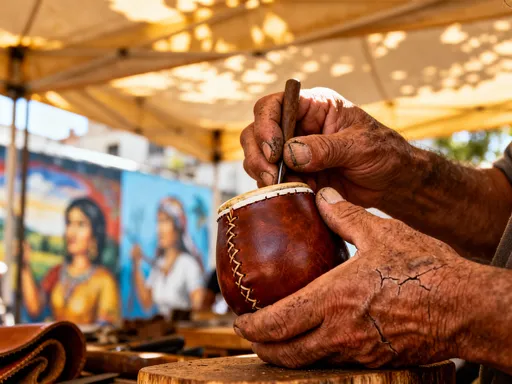
Take, for example, a woodcarver in his late sixties who works from a sunlit studio just off the Klingentor. His hands, marked by years of chisel work, move with precision as he shapes a nativity figure from linden wood. He learned the trade from his father, who learned it from his, stretching back over a century. Yet his work is not merely replication; he introduces subtle modern touches — a more expressive face, a contemporary garment — that keep the tradition alive rather than frozen in time. Visitors are sometimes invited to watch him work, and on certain afternoons, he offers short demonstrations, explaining the tools, the wood selection, and the spiritual significance of carving religious figures in a town with deep Catholic roots.
Then there is a ceramicist who moved to Rothenburg from Stuttgart twenty years ago, drawn by the quiet and the sense of community. Her studio, located in a converted stable, features a wood-fired kiln that she tends with almost ritual care. Her pieces — hand-thrown bowls, vases, and tiles — are glazed in soft, natural tones that reflect the changing light of the seasons. She often collaborates with local chefs, creating custom tableware for small restaurants that value authenticity and craftsmanship. For her, art is not separate from daily life; it is woven into meals, celebrations, and the simple act of serving tea in a beautifully made cup.
These artists are not isolated figures. They participate in local networks, share materials, and support one another through cooperatives and shared exhibition spaces. Some offer informal workshops for visitors — not structured classes, but opportunities to try a technique under guidance. A traveler might spend an hour learning basic brushwork, carving a small wooden spoon, or shaping clay on a wheel. These experiences are not about mastery, but about connection — a way to carry home not just an object, but a memory of creation.
How to Find These Hidden Art Spaces
Finding Rothenburg’s hidden art gems requires a shift in pace and perspective. While the major landmarks can be seen in a single brisk walk, the artistic treasures reveal themselves only to those who slow down, look closely, and engage with the town’s quieter rhythms. There is no single map that captures all these spaces — many are not officially listed, and some exist only seasonally — but there are ways to increase your chances of discovery.
Begin by stepping off the main tourist routes. While the Marktplatz and Plönlein are undeniably beautiful, the side streets — Kobellgasse, Herrngasse, Talmühlgasse — are where you’re more likely to find unmarked studio doors, hand-painted signs, or small windows displaying artwork. Walk slowly. Pause. Look up, down, and around. A tiny plaque might indicate a private gallery; a half-open door could reveal a workspace with art for sale. Don’t be afraid to knock gently or step inside if the space appears welcoming — many artists appreciate curious visitors, even if they don’t make a purchase.
Engage with locals. Shopkeepers, café owners, and hotel staff often know which artists are active and where to find them. A simple question — “Do you know of any local artists I could visit?” — can lead to a personal recommendation and even a handwritten note with directions. The Rothenburg Tourist Information Center also offers brochures during cultural events, and their staff can point you toward current exhibitions or open studio days.
Timing matters. Visiting during the spring or early autumn increases your chances of encountering special events like the Rothenburg Art Weeks or the Franconian Craft Days, when studios open to the public and demonstrations are held throughout the town. Weekdays are generally quieter and more conducive to meaningful interactions than weekends, when tour groups dominate the main squares. Early mornings or late afternoons offer not only fewer crowds but also the soft, golden light that makes both the art and the architecture glow.
Why These Spaces Matter
In an era of mass tourism and digital saturation, small cultural spaces like those in Rothenburg play a vital role. They are not just places to view art; they are guardians of identity, resilience, and human connection. In towns where souvenir shops and chain cafes could easily erase local character, these galleries and studios stand as quiet acts of preservation. They remind us that culture is not something to be consumed, but lived.
These spaces matter because they offer an alternative to the impersonal. In a world where experiences are increasingly curated by algorithms and influencers, Rothenburg’s art venues provide something rare: authenticity. There is no agenda here, no pressure to perform or purchase. The art is not created for viral appeal, but for love, tradition, and community. When you buy a hand-carved nativity figure or a watercolor of the city walls, you’re not just acquiring an object — you’re supporting a way of life.
Moreover, these venues contribute to the town’s long-term sustainability. By attracting visitors who value depth and meaning, they help diversify tourism beyond surface-level sightseeing. They encourage longer stays, repeat visits, and deeper engagement with local culture. They also inspire other towns to protect their own creative communities, proving that heritage and innovation can coexist.
For the traveler, visiting these spaces is an act of intention. It means choosing curiosity over convenience, connection over consumption. It means recognizing that beauty often resides in the unnoticed — a chipped paint stroke, a rough-hewn edge, a quiet moment of creation. In seeking out these hidden gems, we reclaim a more thoughtful, more human way of traveling.
Planning Your Art-Focused Visit
Creating a meaningful art-focused visit to Rothenburg doesn’t require a rigid schedule — in fact, too much planning can undermine the spontaneity that makes discovery so rewarding. However, a light framework can help you make the most of your time while honoring the town’s unhurried spirit.
Begin your day with a quiet morning walk along the town walls at sunrise. The soft light enhances both the architecture and the surrounding countryside, offering inspiration before you even enter a gallery. From there, head to the western edge of the old town, where several small studios are clustered near the Kobellgasse. Visit one or two galleries early, when the light is best and the spaces are quiet. Allow time to speak with artists if they’re present, and don’t rush — let the work speak to you.
In the afternoon, consider a visit to a working studio. If available, sign up for a brief demonstration or hands-on session. Even a 30-minute introduction to woodcarving or ceramics can deepen your appreciation. Pair this with a simple lunch at a family-run café, where you might chat with the owner about local life and artistic traditions.
As evening falls, take a slow stroll through the inner courtyard of the St. Jakob Church or along the gardens behind historic homes. Some artists illuminate their outdoor installations at night, creating a different kind of magic. End your day with a cup of herbal tea in a quiet square, reflecting on what you’ve seen and felt.
Remember to respect boundaries. Not every studio is open to the public, and some artists work in private. If a door is closed or a sign reads “Arbeit in Gange” (work in progress), move on quietly. The beauty of Rothenburg’s art scene lies in its humility — it doesn’t shout for attention, but waits to be found by those who look with care.
Leave room for the unplanned. Some of the best discoveries happen when you’re not searching — a chance encounter, a conversation with a stranger, a sudden glimpse of color in a shadowed alley. Let curiosity guide you, and trust that the town will reveal its treasures in its own time.
Rothenburg’s art spaces remind us that beauty isn’t always loud or famous — sometimes, it whispers from a quiet courtyard or a hand-carved frame. By seeking these hidden corners, travelers don’t just see the town — they connect with its soul. In a world of mass tourism, finding art in unexpected places isn’t just rewarding; it’s revolutionary.