Where Art Meets Commerce in Bali’s Beating Heart
You know that feeling when art isn’t just on the walls but woven into the streets, shops, and soul of a place? That’s Bali’s commercial hubs today—vibrant, creative, and utterly alive. Far beyond temples and beaches, the island’s markets, boutiques, and art districts blend tradition with modern flair. I walked through bustling lanes where every storefront tells a story, and discovered how Balinese culture thrives in the rhythm of daily trade. This is not just shopping—it’s an immersive experience where creativity fuels commerce, where the hum of conversation mingles with the chisel of woodcarvers and the rustle of handwoven textiles. In Bali, every purchase carries meaning, every encounter reflects heritage, and every step through its urban heart reveals a deeper connection between art and life.
The Pulse of Balinese Art in Urban Spaces
Bali’s commercial landscape pulses with artistic energy, where creativity is not confined to galleries but spills into sidewalks, storefronts, and market stalls. From the intricately carved temple gates that frame city entrances to the vibrant murals adorning café walls, art is an inseparable thread in the fabric of everyday commerce. In neighborhoods like Ubud, Seminyak, and Canggu, urban development has not erased cultural identity—in fact, it has amplified it. Public spaces double as open-air galleries, and retail environments are curated with intention, often designed by local artists who integrate traditional motifs with contemporary aesthetics. This fusion is not accidental; it reflects a deep-rooted Balinese philosophy that views art as a sacred offering, not merely a commodity.
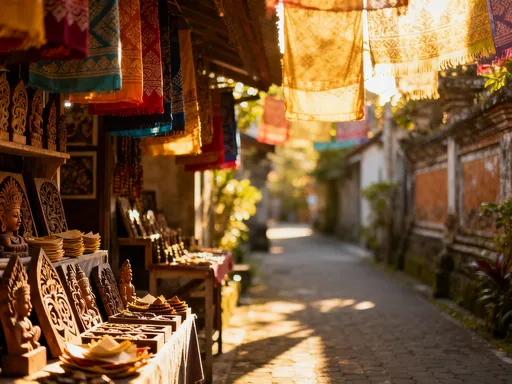
What sets Bali apart is how seamlessly art integrates into the rhythm of trade. A roadside warung might display batik textiles alongside breakfast offerings, while a high-end boutique in Seminyak could feature a rotating exhibition of local painters. This democratization of art ensures that creative expression remains accessible, not reserved for elite circles. The island’s urban planners and business owners recognize that authenticity attracts visitors more than generic luxury, and so they prioritize design that honors local craftsmanship. Wooden sculptures, hand-painted signs, and woven bamboo ceilings are not decorative afterthoughts—they are central to the brand identity of many establishments.
The cultural significance of this artistic integration runs deep. In Balinese Hinduism, creativity is considered a form of devotion, a way to maintain harmony between the human and spiritual realms. This belief translates into daily life, where artisans begin their work with prayers and rituals. When commerce embraces this tradition, it becomes more than transactional—it becomes ceremonial. The result is a commercial environment that feels alive, where every object carries intention and every space tells a story. For travelers, this means that even a simple stroll through a market can become a spiritual and sensory journey.
Ubud: The Cultural Epicenter Turned Creative Marketplace
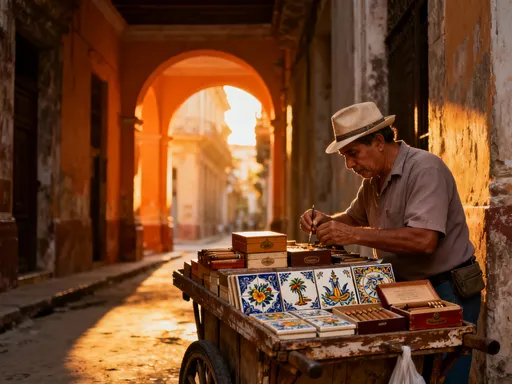
If Bali has a cultural soul, it resides in Ubud. Nestled among emerald rice terraces and sacred rivers, this town has evolved from a quiet artistic retreat into a dynamic marketplace where tradition and innovation coexist. The Ubud Art Market, open daily since dawn, remains one of the island’s most iconic destinations. Here, narrow lanes overflow with hand-carved masks, sarongs dyed in natural pigments, and intricate silver jewelry. Vendors greet visitors with warm smiles, often eager to share the stories behind their crafts. A wooden mask from the village of Mas isn’t just a souvenir—it’s a representation of ancestral spirits, carved with techniques passed down through generations.
What makes Ubud unique is its ecosystem of artist cooperatives and family-run studios. Just beyond the market, tucked into quiet alleys, are workshops where visitors can observe artisans at work—painters blending mineral-based colors on canvas, weavers guiding threads through traditional looms, and goldsmiths shaping delicate filigree by hand. These spaces often welcome guests for short demonstrations or even hands-on workshops, fostering deeper appreciation. Unlike mass-produced items found in tourist zones, Ubud’s offerings emphasize authenticity, with many pieces labeled with the artist’s name and village of origin.
The town’s commercial success has not diluted its cultural integrity. Local leaders and community organizations have worked diligently to preserve Ubud’s identity amid rising tourism. Initiatives such as the Ubud Writers & Readers Festival and the annual Bali Arts Festival celebrate indigenous expression while inviting global dialogue. Even new developments—concept stores, art cafes, and cultural centers—are required to adhere to architectural guidelines that respect traditional Balinese design. As a result, Ubud remains a place where commerce serves culture, not the other way around. For the discerning traveler, a visit here is less about acquiring objects and more about participating in a living tradition.
Seminyak’s Chic Fusion of Style and Substance
Just south of Ubud, Seminyak presents a different facet of Bali’s art-commerce synergy—one that blends tropical elegance with cosmopolitan sophistication. Known for its sleek beach clubs and designer boutiques, Seminyak has become a magnet for creative entrepreneurs who value both aesthetics and authenticity. Here, art is not an afterthought but a central feature of the shopping experience. Concept stores like Biasa ArtSpace and Magani House curate collections that merge Balinese craftsmanship with international design sensibilities. A hand-carved teak table might sit beside minimalist ceramics from Japan, creating a dialogue between cultures and eras.
What defines Seminyak’s appeal is its collaborative spirit. Local artists frequently partner with boutique owners to create site-specific installations—murals that transform blank walls into storytelling canvases, or sculptures that serve as both decoration and conversation starters. These collaborations often extend to events: weekend pop-up exhibitions, live painting sessions, and acoustic performances in open-air courtyards. The result is a shopping environment that feels dynamic and inclusive, where visitors engage with art in unexpected ways. Even a coffee break at a stylish café might include a curated display of local photography or hand-bound journals made from recycled paper.
Yet, with sophistication comes challenges. Seminyak’s popularity has driven up prices, and some fear that rising rents may push out smaller, independent creators. While luxury brands thrive, there is growing awareness among business owners about the importance of maintaining authenticity. Many now prioritize sourcing from local artisans, offering fair compensation and proper attribution. Labels that state “handmade in Bali by artisans from Celuk” are increasingly common, reflecting a shift toward ethical consumerism. For travelers, this means that thoughtful choices—such as supporting small studios or purchasing directly from artists—can help sustain the very culture they come to admire.
Canggu’s Emerging Street Art & Lifestyle Economy
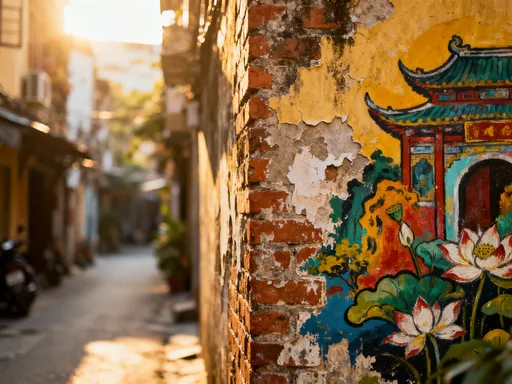
Canggu, once a sleepy fishing village, has transformed into one of Bali’s most vibrant creative hubs, driven largely by the influx of digital nomads and lifestyle entrepreneurs. Unlike the more established art centers of Ubud and Seminyak, Canggu’s scene is raw, experimental, and deeply rooted in community collaboration. Street art defines much of its visual identity—colorful murals depicting Balinese deities, environmental messages, and abstract interpretations of island life adorn the walls of co-working spaces, vegan cafes, and surf shops. These works are often created by local and international artists during community festivals, turning public spaces into evolving galleries.
The lifestyle economy in Canggu thrives on creativity and connectivity. Artisanal shops embedded within co-working cafes sell handmade candles, organic cotton apparel, and ceramic tableware—all crafted by resident makers. Pop-up markets, held weekly at community centers or beachfront lawns, feature live music, craft demonstrations, and direct sales from creators. This model reduces intermediaries, allowing artisans to retain more of their earnings while building personal relationships with customers. For many visitors, the experience feels more like joining a creative collective than visiting a tourist destination.
The influence of the digital nomad community cannot be overstated. With flexible work schedules and a passion for experiential travel, these residents often become patrons of the arts, commissioning custom pieces or volunteering at cultural workshops. Their presence has also spurred the growth of hybrid spaces—venues that function as galleries, cafes, and event halls all at once. While some worry that rapid development may erode Canggu’s authenticity, the strong emphasis on sustainability and local collaboration offers hope. Community-led initiatives, such as beach clean-ups paired with art installations, demonstrate how creativity can serve both cultural and environmental values.
How Local Artisans Thrive in Commercial Zones
Behind every handcrafted object in Bali’s markets and boutiques are the skilled artisans who dedicate their lives to preserving cultural heritage. In the village of Mas, renowned for its woodcarving tradition, families have passed down chiseling techniques for centuries. A single sculpture—a demon king from the Ramayana, a serene Buddha figure—can take weeks to complete, shaped entirely by hand without power tools. Similarly, in Celuk, generations of silversmiths craft intricate jewelry using age-old methods, their workshops filled with the soft clang of hammers shaping molten metal. In Sidemen, weavers work on traditional looms, producing endek and songket fabrics with patterns that tell regional stories.
Commercial zones across Bali provide these artisans with vital visibility and income. While many still work in their home villages, they often partner with urban galleries, cooperatives, or fair-trade organizations to reach wider audiences. Some, like the Yogyakarta-born collective now based in Ubud, operate retail spaces that guarantee fair wages and transparent sourcing. These models not only support livelihoods but also protect against the exploitation common in mass tourism markets. When travelers purchase directly from such enterprises, they contribute to a sustainable cycle that values both artistry and equity.
Community-based enterprises play a crucial role in this ecosystem. Women’s cooperatives in rural areas produce hand-embroidered textiles, while youth groups in urban centers run mural projects that revitalize neglected neighborhoods. These initiatives are often supported by NGOs or government programs that provide training, materials, and marketing assistance. The result is a growing network of empowered creators who see their work not just as craft, but as cultural preservation. For the conscious traveler, engaging with these stories transforms shopping into a meaningful act—one that honors the hands that shaped the art and the communities that sustain it.
Navigating the Balance: Tourism, Authenticity, and Overdevelopment
As Bali’s art-driven commerce flourishes, it faces mounting pressures from tourism growth and urban expansion. One of the most pressing concerns is the proliferation of mass-produced imitations—cheaply made carvings, printed fabrics, and factory-made jewelry sold as “handmade.” These items, often imported from outside Indonesia, undercut local artisans and dilute the authenticity of Bali’s creative identity. Visitors unaware of the differences may unknowingly support exploitative practices, perpetuating a cycle that harms the very culture they seek to experience.
Rising property values in commercial districts also threaten the presence of local creators. In Seminyak and Canggu, soaring rents have forced some family-run galleries and workshops to relocate or close entirely. Luxury brands and international chains, drawn by Bali’s global appeal, often dominate prime locations, pushing out smaller, independent businesses. This shift risks turning vibrant cultural hubs into homogenized shopping zones, where the soul of the island is replaced by generic luxury.
Cultural observers and local leaders are sounding the alarm. Organizations like the Bali Cultural Preservation Board advocate for policies that protect artisan zones, regulate imports, and incentivize authentic craftsmanship. Some districts have introduced certification programs to help consumers identify genuine handmade goods. At the same time, grassroots movements encourage travelers to “buy local, buy meaningful.” Shop owners increasingly educate visitors about the origins of their products, inviting them to meet artisans or tour workshops. These efforts aim to foster a tourism model rooted in respect and reciprocity, where commerce becomes a bridge between cultures rather than a force of erosion.
Traveler’s Guide: Experiencing Bali’s Art-Driven Commerce Like a Local
To truly appreciate Bali’s art-commerce ecosystem, travelers should approach it with curiosity, respect, and intention. The best time to visit markets like Ubud Art Market is early in the morning, when the air is cool and vendors are just setting up their displays. This timing allows for quieter browsing and more meaningful conversations with artisans. When shopping, look for signs of authenticity: handmade imperfections, natural materials, and detailed explanations about origin. Avoid items that feel too uniform or lack provenance—chances are, they are not locally made.
Supporting small studios and cooperatives is one of the most impactful choices a visitor can make. In Ubud, consider visiting Threads of Life, a fair-trade gallery specializing in traditional textiles from across Indonesia. In Seminyak, galleries like Neka Art Gallery offer curated exhibitions with educational materials about Balinese painting styles. In Canggu, community spaces like The Practice or Revolver often host artist talks and pop-up sales, providing direct access to creators. Whenever possible, ask questions—about techniques, symbolism, or the artist’s journey. These conversations enrich the experience and ensure that your purchase supports real people, not faceless factories.
For a deeper immersion, follow walking routes that connect key art spots. Begin in central Ubud with a visit to the Puri Lukisan Museum, then stroll through the market, stop by local studios in Sanggingan, and end at a riverside café hosting a live painting session. In Seminyak, a curated path might include a morning at Biasa ArtSpace, lunch at a design-forward eatery with rotating art displays, and an afternoon at a jewelry workshop in nearby Petitenget. In Canggu, a bike ride along the coastal path can lead to hidden murals, pop-up markets, and beachfront studios.
Ultimately, ethical shopping in Bali is about mindfulness. It means resisting the urge to bargain aggressively—fair pricing supports fair wages. It means choosing quality over quantity, valuing craftsmanship over convenience. And it means recognizing that every object carries a story, a lineage, a prayer. When travelers engage with Bali’s art-driven commerce in this way, they do more than collect souvenirs—they become stewards of a living culture.
Bali’s commercial areas are no longer just places to shop—they’re living galleries where culture, creativity, and community converge. By choosing to engage mindfully, travelers don’t just take home art; they become part of its story. In every hand-carved mask, every handwoven cloth, every mural painted with purpose, there is an invitation—to see, to understand, to participate. And in that participation lies the true magic of Bali: a place where art is not separate from life, but woven into its very heartbeat.